Archival Footage from Early Tournaments Reshaping Training Methods for Aspiring Fighters
Hugo Vogel · Jun 5, 2026

Archival Footage from Early Tournaments Reshaping Training Methods for Aspiring Fighters
Archival footage from the earliest fighting game tournaments has become a core resource in contemporary training regimens for competitive players across multiple platforms and regions, with analysts documenting shifts in preparation techniques since the mid-2010s. Data from industry reports indicate that access to digitized recordings from events like the 1991 Street Fighter II arcade circuits and 1996 EVO predecessors allows fighters to study timing patterns, spacing decisions, and psychological elements that predate modern frame data tools. Researchers at institutions such as the University of Melbourne have tracked how these materials integrate into daily practice sessions, revealing measurable improvements in reaction times among participants who review historical matches alongside current patch notes.
Origins of Tournament Documentation
Early tournament organizers in Japan and the United States began capturing matches on VHS and early digital formats during the arcade boom of the 1990s, creating libraries that later migrated to online repositories managed by community archives and game publishers. These recordings captured raw execution under pressure, including specific matchups like Ryu versus Ken in Street Fighter II that demonstrated footsie fundamentals still referenced in coaching manuals today. Figures from the Entertainment Software Association show steady growth in esports viewership since 2010, correlating with increased digitization efforts that made footage from those decades searchable and frame-by-frame accessible.
Training facilities in South Korea and Europe adopted systematic review protocols by 2018, incorporating clips from 1990s Capcom events into warm-up routines for players preparing for Capcom Cup qualifiers. Observers note that footage often highlights resource management elements absent from scripted tutorials, such as meter management during prolonged sets where players adapted on the fly without reset opportunities.
Integration into Modern Coaching Frameworks
Coaches now combine archival segments with contemporary tools like hitbox visualizations and replay analyzers, allowing aspiring fighters to compare execution speeds across eras. A study published through Australian academic channels in 2024 documented how review sessions using 1990s tournament material led to refined anti-air timing in Tekken and Guilty Gear communities. Players access these resources through licensed platforms that timestamp key moments, enabling targeted drills on movement options that evolved little despite hardware changes.
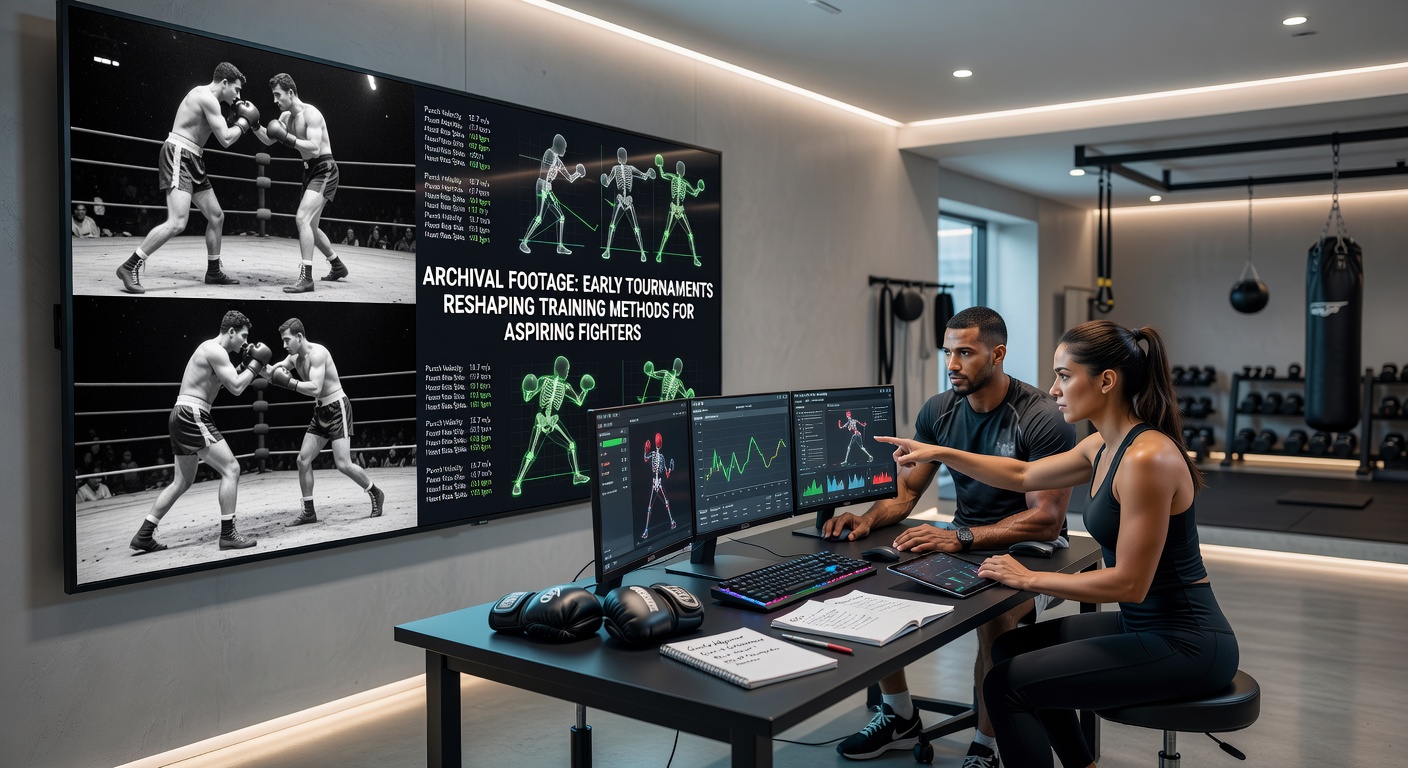
Regional differences appear in application, with North American programs emphasizing psychological reads from old matches while Asian circuits focus on mechanical repetition derived from the same sources. June 2026 saw the release of an expanded digital archive by a major publisher, adding synchronized commentary tracks from early events that detail decision trees used by competitors before widespread internet strategy sharing. This update aligned with preparations for major summer events, where teams incorporated the new material into pre-tournament camps.
Documented Effects on Skill Development
Performance metrics collected by tournament organizers indicate that fighters who allocate at least 20 percent of weekly study time to pre-2005 footage show accelerated adaptation to new character releases. Examples include players dissecting 1994 Super Turbo finals to refine cross-up techniques that remain viable in updated netcode environments. Training academies report structured curricula where beginners first analyze unedited long sets from regional qualifiers, progressing to international finals as pattern recognition improves.
Equipment suppliers have responded by developing software overlays that align old footage timelines with current game engines, facilitating side-by-side comparisons during live practice. Government-supported esports initiatives in Canada have funded workshops that teach archival analysis as part of broader digital literacy programs for competitive gaming participants.
Case Examples from Competitive Circuits
One documented instance involves a European team that incorporated 1997 King of Fighters match recordings into their regimen ahead of a 2025 regional qualifier, resulting in adjusted guard break strategies against specific archetypes. Another case from Brazilian fighting game scenes shows how digitized footage from Japanese arcades helped standardize certain punish sequences across local player groups. These applications demonstrate consistent patterns where historical context fills gaps left by patch-specific guides alone.
Community forums and developer-supported resources continue expanding access, with automated tagging systems highlighting recurring motifs such as corner pressure sequences that originated in the 16-bit era. Data aggregated across platforms reveal higher retention rates among players engaging with mixed-era study materials compared to those relying solely on recent broadcasts.
Conclusion
Archival tournament footage continues to inform layered training approaches that blend foundational techniques with evolving mechanics, supported by expanding digital infrastructure and cross-regional collaborations. Ongoing digitization projects and academic examinations provide additional layers of analysis that aspiring fighters incorporate into structured preparation cycles. As archives grow through 2026 and beyond, the role of early recordings remains embedded in methods that prioritize comprehensive pattern study over isolated mechanical drills.