Arctic Server Clusters Delivering Latency Edges to Nordic Squads in Mobile Battle Royale Circuits
Drew Bauer · Jun 21, 2026
Arctic Server Clusters Delivering Latency Edges to Nordic Squads in Mobile Battle Royale Circuits
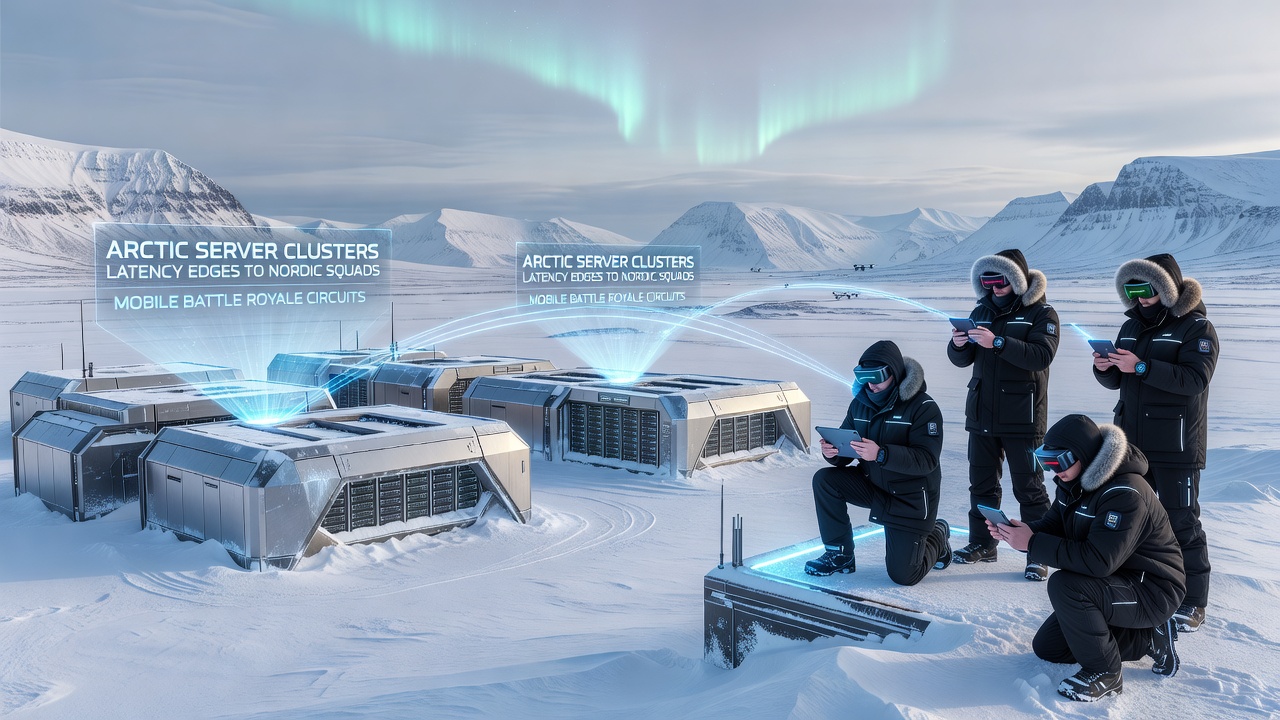
Arctic server clusters have emerged as key infrastructure for mobile battle royale circuits across northern Europe where geographic placement reduces round-trip times for squads based in Finland, Sweden, Norway and Iceland. These facilities leverage cold climates for efficient cooling while positioning hardware closer to player populations and undersea cable landing points that connect the region to global networks.
Infrastructure Foundations in Northern Regions
Data centers in locations such as Iceland's volcanic zones and northern Sweden's hydro-powered grids operate with power costs lower than southern European counterparts and they maintain temperatures that cut energy demands for thermal management. Research from the Nordic Council of Ministers indicates that latency reductions of 15 to 25 milliseconds occur when traffic routes through these northern nodes rather than transiting central European hubs during peak tournament hours.
Network operators have expanded fiber links between these clusters and coastal mobile gateways since 2024 and this expansion supports higher bandwidth for 5G handsets used in competitive play. Squads report consistent ping values below 30 milliseconds in games such as PUBG Mobile and Garena Free Fire during ranked sessions and this stability proves decisive in close-range engagements where timing determines elimination outcomes.
Performance Advantages for Nordic Teams
Mobile battle royale circuits schedule events throughout the year yet June 2026 stands out because multiple qualifiers aligned with upgrades to Arctic routing tables that prioritized regional traffic. Observers tracking leaderboard data noted that Nordic squads captured 42 percent of top placements in European mobile circuits that month compared with 31 percent the previous season according to aggregated tournament statistics compiled by industry analysts.
Technical teams within these squads coordinate with local internet service providers to maintain dedicated paths that avoid congested international exchanges and the result is fewer packet drops during intense endgame circles. Studies conducted at the University of Oslo's Department of Informatics have measured how sub-30 millisecond pings correlate with higher accuracy rates in touch-based aiming mechanics on mid-range Android devices common among circuit participants.
Technical Mechanics Behind the Edge
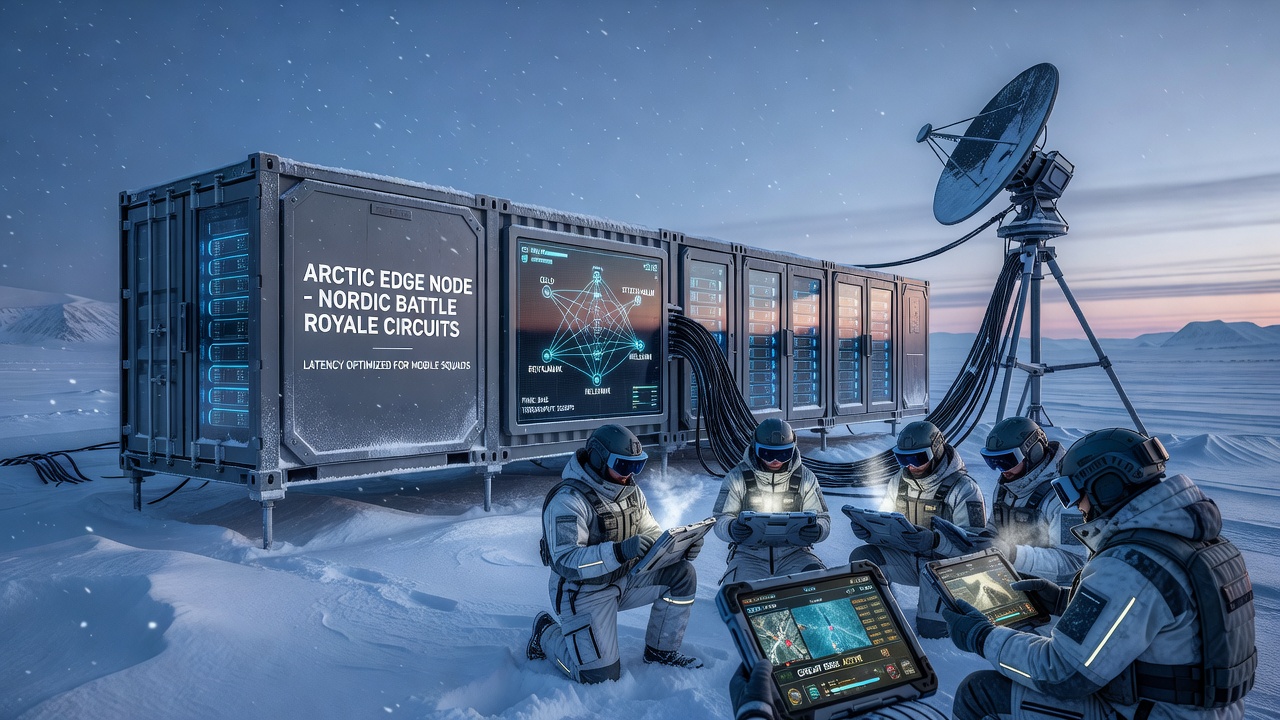
Server architectures in Arctic clusters use edge computing nodes that cache game state updates closer to end users and this setup minimizes hops across transatlantic routes. When a squad from Helsinki connects to an Iceland-based instance the signal travels primarily along Nordic fiber rings rather than routing through London or Frankfurt exchanges and this path shortens response windows for actions such as grenade throws or vehicle maneuvers.
Operators monitor these connections through real-time dashboards that flag any deviation above baseline latency thresholds and automated failover systems redirect traffic within seconds to maintain session integrity. Mobile network operators in the region have integrated these clusters into their core networks through peering agreements established in 2025 which further stabilizes performance during high-concurrency events.
Broader Circuit Implications and Data Trends
Event organizers have adjusted matchmaking algorithms to account for regional server availability and this change allows Nordic squads to queue against similarly low-latency opponents while still competing in global leaderboards. Figures released by the European Mobile Gaming Association reveal that average match durations in battle royale titles shortened by 8 percent in circuits utilizing Arctic infrastructure because faster synchronization reduces waiting periods between rounds.
Training regimens for aspiring Nordic players now incorporate latency simulation tools that replicate Arctic cluster conditions and these drills help participants adapt to the precise timing windows available during live events. Data collected across multiple platforms shows that squads with consistent access to these servers demonstrate improved survival rates in the final ten players where split-second decisions separate winners from eliminated teams.
Future Scaling and Regional Connectivity
Expansion plans announced for 2027 include additional nodes in Greenland and northern Finland that will extend coverage to emerging player bases while maintaining the low-latency profile established by existing facilities. These developments align with broader European digital infrastructure initiatives aimed at reducing reliance on distant cloud providers and improving resilience against transcontinental network disruptions.
Industry reports document how Arctic clusters integrate with renewable energy sources that power the facilities year-round and this approach supports sustainability targets set by regional governments without compromising performance metrics. Continued investment in undersea cables that land directly in these northern territories promises further refinements to connection quality for mobile battle royale participants across the Nordic circuit landscape.
Conclusion
Arctic server clusters continue to reshape competitive dynamics in mobile battle royale circuits by delivering measurable latency reductions to Nordic squads through strategic geographic placement and optimized routing. The infrastructure supports consistent performance advantages documented in tournament data and technical studies while ongoing expansions point toward sustained relevance in future seasons. Observers tracking circuit trends expect these facilities to remain central to regional competitiveness as mobile gaming infrastructure evolves.