Cross-Device Input Calibration Techniques for Rhythm Action Games
Drew Bauer · Aug 25, 2026
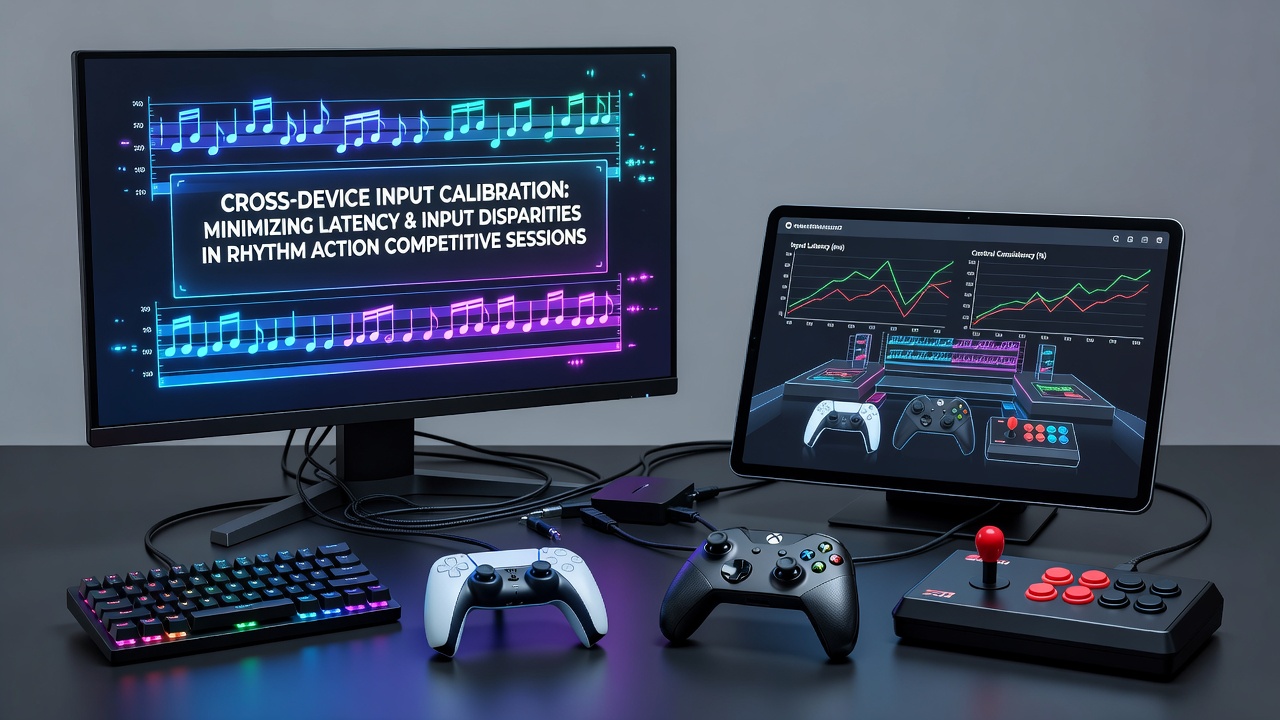
Cross-Device Input Calibration Techniques for Rhythm Action Games
Competitive rhythm action series demand precise timing and consistent response across keyboards, controllers, touchscreens, and motion sensors, yet mixed hardware setups often produce latency variations that disrupt player performance during tournaments and ranked matches. Calibration techniques address these inconsistencies by aligning input registration rates with display refresh cycles and network conditions, allowing participants to maintain accuracy whether they compete on PC, console, or portable systems. Research from the University of California indicates that standardized calibration protocols reduce timing errors by measurable percentages in titles such as Beat Saber and osu! when players switch between devices mid-session.
Core Calibration Methods in Mixed Environments
Developers implement software-based offset adjustments that measure round-trip input latency through built-in diagnostic tools, then apply real-time corrections using algorithms that sample frame delivery times and controller polling rates. Hardware solutions involve external devices that sync multiple peripherals to a common clock signal, which proves essential when competitors combine arcade-style dance pads with VR headsets or mobile touch interfaces. Observers note that these combined approaches help stabilize note registration windows, particularly in fast-paced sequences where even small discrepancies can alter scoring outcomes or combo streaks.
Software Tools and Their Applications
Many rhythm action titles now include calibration wizards that guide users through visual and auditory tests while recording device-specific response curves, and these profiles transfer across sessions when stored in cloud accounts. Data shows that automated scripts running during pre-match setup detect differences between USB polling intervals and wireless transmission delays, then adjust audio buffer sizes accordingly to keep visual cues aligned with physical actions. In practice, players who activate these features before events report fewer instances of missed inputs, especially when moving between high-refresh-rate monitors and standard television displays common in console setups.
Competitive Sessions on Varied Hardware
Tournament organizers have adopted multi-device calibration stations that test participant gear against reference equipment before matches begin, and this process gained attention ahead of major events planned for August 2026. Studies conducted by the European Interactive Digital Software Association found that consistent calibration routines lowered dispute rates related to control feel during cross-platform qualifiers, where one competitor might use a mechanical keyboard while another relies on a gamepad or motion controller. Those who have reviewed match logs observe that recalibration during breaks helps maintain fairness when environmental factors such as temperature or cable length affect sensor performance.
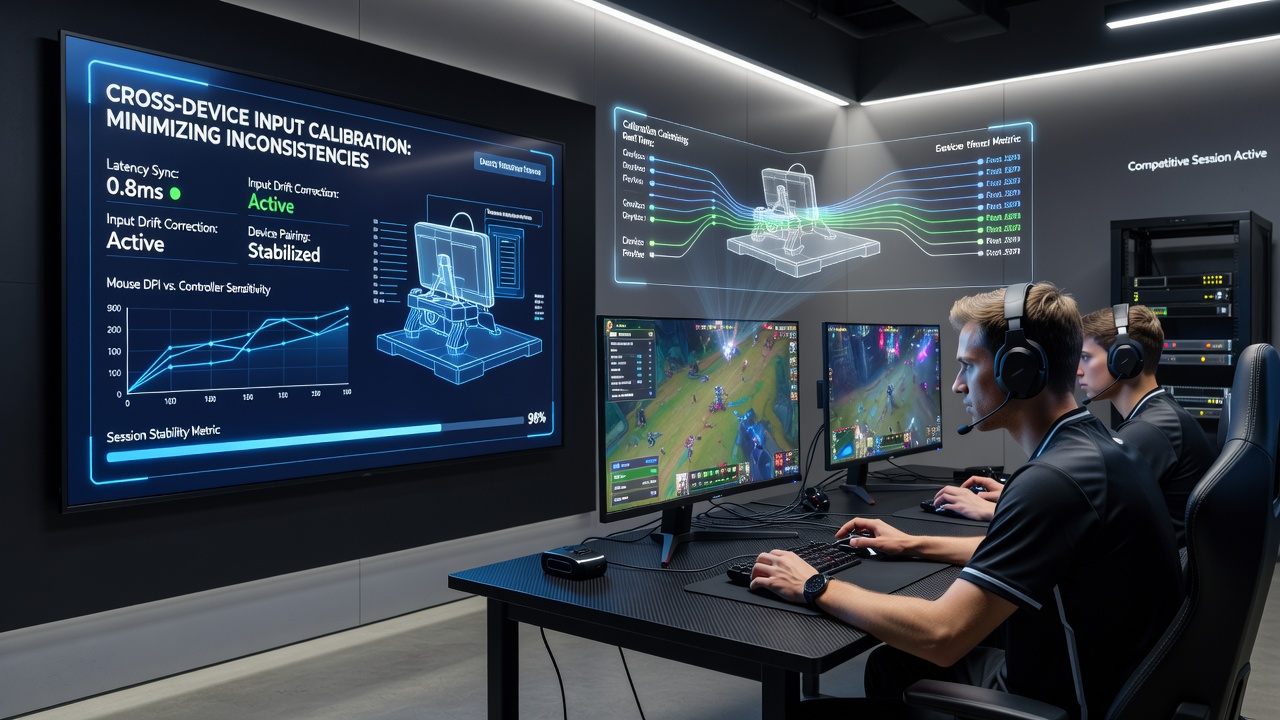
Advanced techniques incorporate machine learning models trained on large datasets of player inputs collected from global servers, and these models predict potential drift caused by firmware updates or driver changes. When applied to rhythm series that support mixed hardware, the models generate device-specific compensation values that update dynamically throughout a session. Figures reveal that such predictive calibration cuts average response variance in half compared with static offset methods alone, according to findings shared at recent industry conferences.
Challenges and Ongoing Developments
Network variability in cloud-streamed rhythm sessions adds another layer of complexity, since input from a local controller must travel to remote servers before visual feedback returns to the player. Researchers at the Australian Centre for Digital Gaming have documented how adaptive buffering combined with device calibration minimizes these round-trip effects during extended competitive play. Yet the ball remains in developers' court to refine detection methods that distinguish between genuine player error and hardware-induced lag without introducing new inconsistencies.
Community-driven calibration databases have emerged as supplementary resources, where participants upload verified latency profiles for specific hardware combinations and share them through moderated forums. This collaborative approach allows newcomers to benefit from established configurations while organizers verify submissions against official benchmarks. What's interesting is how these shared datasets accelerate the identification of problematic pairings, such as certain wireless adapters wth older console revisions, before they surface in high-stakes matches.
Conclusion
Cross-device input calibration continues to evolve as rhythm action series expand across an increasing variety of hardware platforms, with current techniques focusing on precise latency measurement, real-time correction, and predictive modeling to support consistent performance. As events approach in August 2026 and beyond, the integration of these methods into standard tournament procedures helps ensure that control differences do not determine outcomes. Ongoing work by academic and industry groups promises further refinements that address emerging hardware while preserving the core timing demands that define competitive rhythm gameplay.