Echoes from the Periphery: How Custom Controller Mods Quietly Reshape Competitive Strategies in Fighting Game Circuits
Hugo Vogel · Aug 23, 2026

Echoes from the Periphery: How Custom Controller Mods Quietly Reshape Competitive Strategies in Fighting Game Circuits
Custom controller modifications have entered fighting game circuits through incremental changes rather than sudden overhauls, and players adjust input hardware to match the demands of specific titles while tournament organizers track resulting shifts in execution patterns. These alterations often involve leverless directional pads, modified printed circuit boards, and button remapping that allow alternative hand positions, and data from regional events indicate measurable differences in input timing compared with stock arcade sticks.
Input Hardware Evolution in Fighting Game Play
Observers note that leverless designs, which replace traditional joysticks with button arrays for cardinal and diagonal directions, first gained traction in communities centered on games like Street Fighter and Tekken before spreading to other series. Research from hardware analysis groups shows these layouts reduce certain motion execution times by replacing 360-degree stick rotations with simultaneous button presses, while SOCD cleaning circuits prevent contradictory inputs from registering during rapid directional changes. Tournament logs from 2024 through early 2026 record increased adoption rates among mid-tier competitors who previously struggled with precise quarter-circle motions on standard controllers.
Additional modifications include adjustable debounce timers and macro-enabled buttons that execute predefined sequences without violating game rules against automated assists. Figures from circuit databases reveal that participants using such boards frequently demonstrate higher consistency in combos that require frame-perfect links, although success rates vary by game engine and patch version. As the calendar moves toward August 2026 events, several regional qualifiers have begun requiring pre-tournament hardware inspections to verify compliance with input-cleaning standards.
Strategic Adjustments Across Major Titles
Players adapt their approach once hardware changes alter the physical demands of character matchups, and analysts tracking EVO and regional finals document shifts toward characters that benefit from rapid directional inputs. In titles featuring complex motion inputs, leverless setups enable tighter spacing on pressure strings because players maintain button contact without lifting a stick, and win-rate compilations from 2025 seasons show modest gains for certain rushdown archetypes. Those who study frame data alongside hardware reports find that these mods complement existing training regimens rather than replace them, since muscle memory still governs timing across multiple rounds.
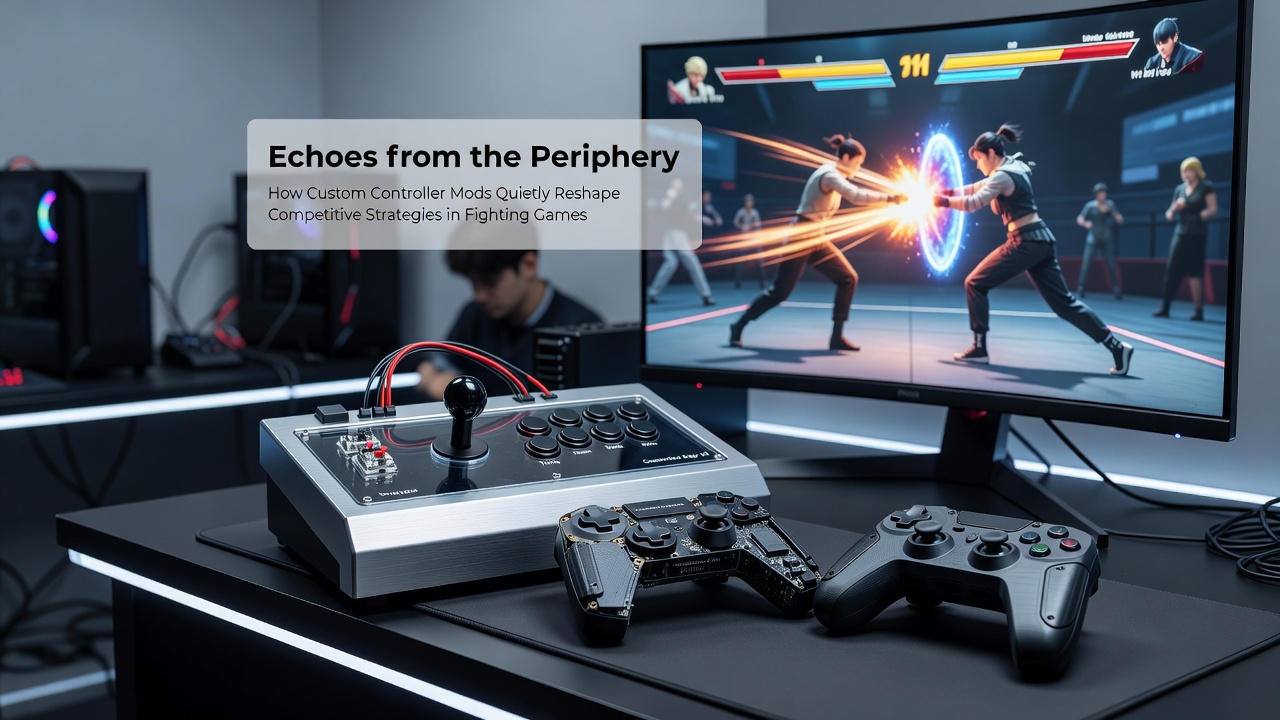
Case examples from North American and European circuits illustrate how teams incorporate modded controllers into scouting reports, with coaches reviewing footage to identify when opponents switch between stock and custom hardware mid-bracket. Data collected by independent tracking projects indicate that hybrid input users maintain separate practice routines for each device type, and the transition between them influences character selection during double-elimination stages. European Esports Federation guidelines on peripheral standardization, published in late 2025, encourage transparent disclosure of modifications to maintain competitive parity across regions.
Tournament Responses and Regulatory Developments
Organizers respond to hardware proliferation by updating equipment verification protocols, and several major circuits now require participants to submit controller specifications weeks before events. Academic studies on esports input devices from Canadian research institutions highlight measurable variance in reaction latency between modified and unmodified boards, prompting discussions about whether such differences constitute equipment advantages. Circuit records from 2026 qualifiers show that disqualification rates for non-compliant mods remain low, yet officials continue refining detection methods through visual and software checks.
Industry reports compiled by the Asia-Pacific Esports Confederation document parallel trends in Asian tournaments, where custom PCBs appear alongside traditional fightsticks without displacing them entirely. These reports note that players often combine multiple mod types, such as shorter actuation switches paired with SOCD logic, to fine-tune execution windows for specific games. As August 2026 approaches, upcoming championship series have announced workshops on hardware compliance to reduce on-site disputes during pools and finals.
Conclusion
Custom controller modifications continue to integrate into fighting game circuits through measured adoption and ongoing regulatory refinement, and available tournament data reflect incremental changes in execution patterns rather than wholesale strategic overhauls. Continued monitoring by organizers and researchers provides records that participants use when preparing for upcoming events, while hardware verification processes evolve alongside community practices. These developments remain observable through public match archives and regional reporting structures that track input hardware alongside performance metrics.