Examining Biometric Sensor Integration in Esports Training Regimens for Console Competitors
Devon Weber · Jul 12, 2026
Examining Biometric Sensor Integration in Esports Training Regimens for Console Competitors
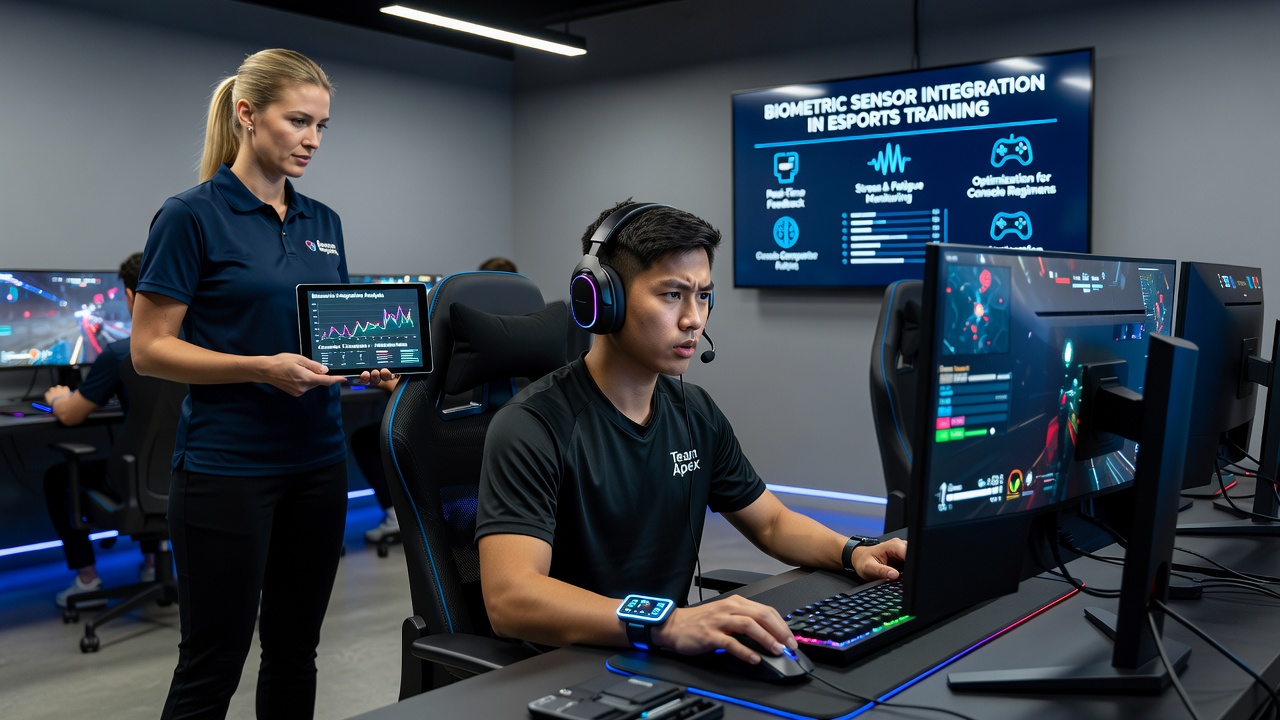
Console esports competitors have incorporated biometric sensors into their training routines over recent years, with data from devices such as heart rate monitors, electroencephalography headbands, and galvanic skin response units providing measurable insights into physical and cognitive states during practice sessions. These tools connect to standard controller setups through wireless protocols, allowing players to review physiological responses alongside gameplay metrics like reaction times and accuracy scores.
Types of Biometric Data Collected in Console Training
Heart rate variability stands out as one common metric tracked through wrist-worn devices that sync with console systems, while EEG sensors placed on the forehead capture brainwave patterns associated with focus and fatigue levels. Skin conductance readings offer additional data on arousal states, and observers note that these measurements get logged in software platforms designed specifically for esports analysis. Research indicates that combining multiple sensor inputs creates comprehensive profiles, and figures from training logs reveal patterns in how competitors manage stress across extended tournament preparation periods.
Integration Methods for Console Hardware
Manufacturers have developed adapters that link biometric wearables directly to popular console controllers, enabling real-time data transmission during drills on systems like PlayStation and Xbox platforms. Players often position EEG bands alongside headsets, whereas heart rate straps fit under standard apparel without interfering with button inputs or analog stick movements. Software applications aggregate this information with in-game telemetry, and data shows that such setups allow coaches to adjust training intensity based on individual physiological thresholds rather than relying solely on performance statistics.
Applications in Daily Training Regimens
Coaches use biometric feedback to structure rest intervals and cognitive exercises, with sessions sometimes incorporating breathing techniques when elevated heart rates appear during high-pressure simulations. Studies from academic institutions demonstrate that teams monitoring these signals report shifts in how athletes prepare for events, and one documented case involved a European squad adjusting warm-up protocols after EEG data highlighted attention lapses in mid-match scenarios. As of July 2026, several professional console leagues have begun requiring basic biometric disclosures in training reports submitted to organizers, which helps standardize approaches across regions.
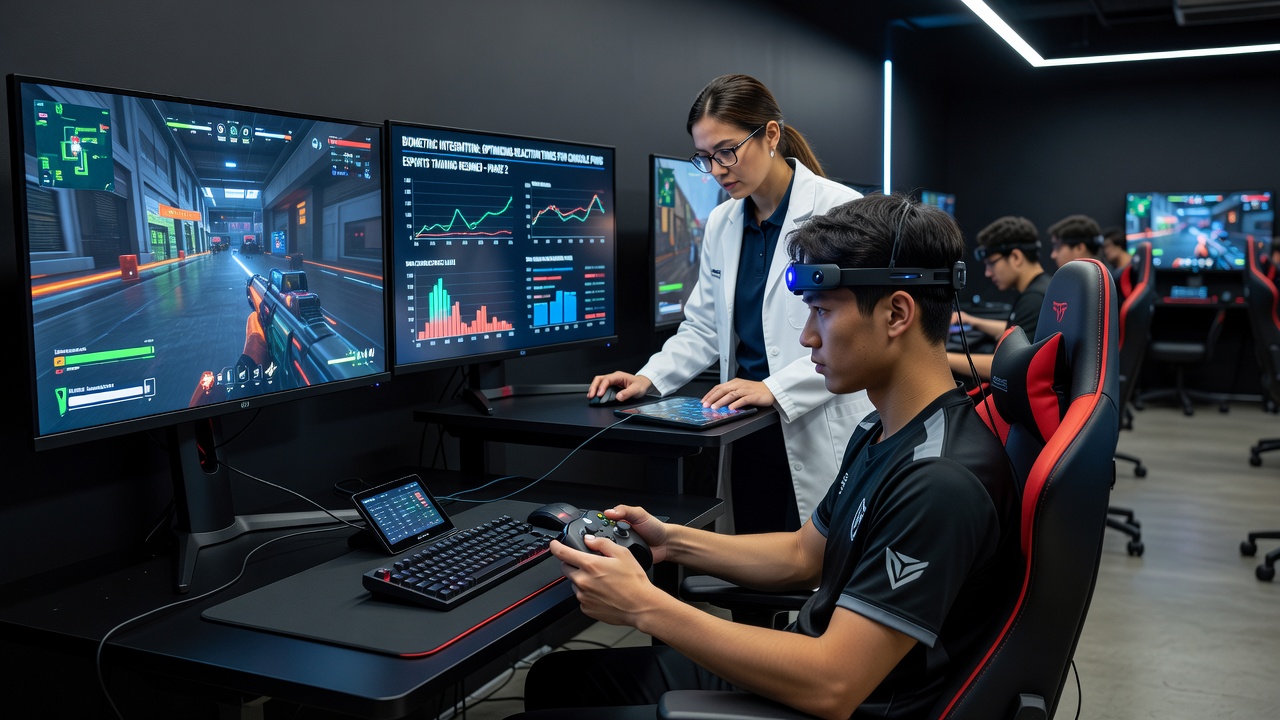
What's interesting is how these integrations extend beyond individual practice into team environments, where aggregated data sets help identify collective fatigue trends before major competitions. External organizations such as the Canadian Esports Federation have published guidelines on ethical data handling, while reports from the Asia-Pacific Esports Confederation detail regional variations in sensor adoption rates among console-focused divisions.
Current Developments and Data Trends
Market analysis reveals that sensor-equipped training kits have seen increased availability through specialized retailers, and console manufacturers have released firmware updates that support direct API connections for third-party biometric devices. Evidence suggests that competitors who maintain consistent monitoring achieve more stable performance curves over multi-day events, although exact correlations depend on factors like game genre and individual baseline readings. Training facilities in North America and Asia have expanded their equipment inventories accordingly, with data logs from July 2026 showing a measurable uptick in sessions that incorporate at least two sensor types simultaneously.
Challenges in Widespread Adoption
Calibration requirements and device compatibility issues persist across different console models, which leads some athletes to rely on manual data entry for certain metrics. Privacy protocols govern how teams store and share physiological information, and regulatory bodies in multiple jurisdictions continue to refine standards around athlete data rights. Those who've studied implementation barriers note that cost remains a factor for emerging competitors, yet sponsorship programs from sensor manufacturers have begun offsetting expenses in select professional circuits.
Conclusion
Biometric sensor integration continues to evolve within console esports training frameworks, driven by advances in wearable technology and analysis software that deliver actionable physiological insights. Data from ongoing studies and league reports illustrates steady progress in how competitors apply these tools to refine preparation strategies, while industry groups work toward consistent guidelines that support broader participation. The combination of hardware compatibility improvements and structured data review processes points to sustained development in this area through subsequent seasons.