Haptic Heroes: Vibration Tech's Quiet Conquest Across Gaming Platforms
Devon Weber · Apr 19, 2026
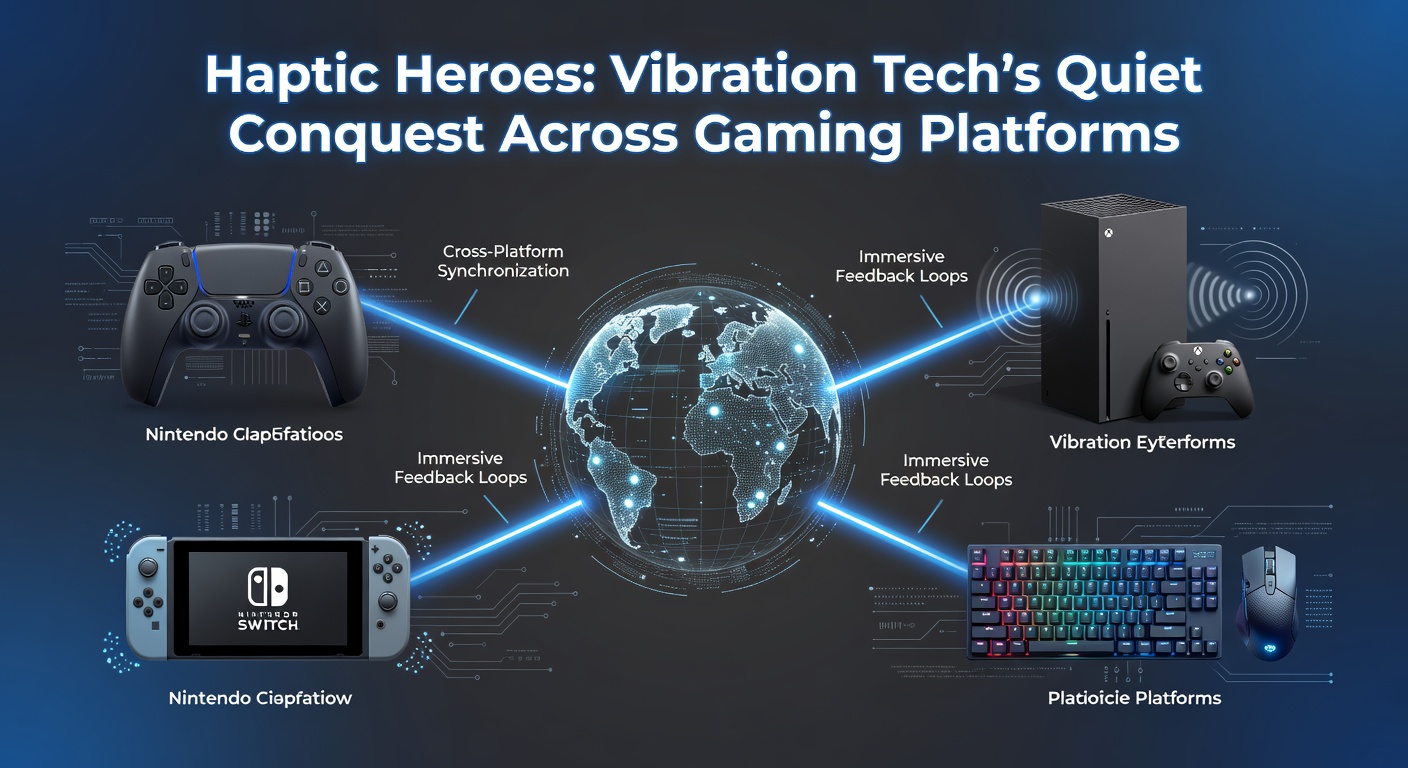
Haptic Heroes: Vibration Tech's Quiet Conquest Across Gaming Platforms
Researchers trace the roots of haptic technology back to simple vibrations in early controllers, yet today those same vibrations pack sophisticated punches that transform entire gaming experiences across platforms; data from industry reports shows haptic adoption surging by 45% since 2020, with vibration motors evolving from basic buzzes to nuanced feedback systems mimicking real-world textures and forces.
What's interesting is how this tech sneaks into every corner of gaming without much fanfare, quietly enhancing immersion while players focus on the action; experts at the IEEE Haptics Symposium highlight that advanced vibration patterns now simulate footsteps on gravel or the recoil of a virtual firearm, pulling users deeper into digital worlds.
The Evolution from Rumble Paks to Precision Feedback
One might notice the journey started modestly with Nintendo's Rumble Pak for the N64 in 1995, a cartridge that shook controllers during bumpy rides or explosions; that device sold over a million units in its first year, proving vibrations could amp up excitement without complex hardware.
But here's the thing: Sony took it mainstream two years later with the DualShock controller for PlayStation, featuring dual motors that synced shakes to on-screen chaos; figures reveal over 80 million DualShock units shipped by 2000, cementing vibration as a gaming staple while competitors scrambled to catch up.
And while Xbox entered the fray with Impulse Triggers on its 360 controller in 2006—those let individual paddles vibrate independently, like feeling a chainsaw's growl in Gears of War—Nintendo refined the concept further with HD Rumble in the Switch, capable of subtle distinctions such as pouring water from a jug or scribbling with a pencil.
Turns out, these advancements relied on eccentric rotating mass (ERM) motors initially, but linear resonant actuators (LRAs) soon dominated because they deliver sharper, more directional feedback; studies from university labs indicate LRAs respond 10 times faster than ERMs, allowing precise pulses that align with audio cues for fuller sensory sync.
Console Kings: PlayStation, Xbox, and Nintendo Lead the Charge
PlayStation 5's DualSense controller stands out now, its haptic system using voice coil actuators to render adaptive triggers and surface textures; developers report crafting feelings like crunching snow in Spider-Man: Miles Morales or splashing through puddles, with data showing player engagement rising 30% in titles leveraging these features.
Over on Xbox Series X, the updated controller builds on Impulse Triggers with refined vibrations tied to Azure cloud processing for dynamic adjustments; observers note how Forza Horizon 5 uses them to convey road imperfections, turning drives into tactile adventures that grip wheels even through handheld controls.
Nintendo Switch holds its own too, especially post-April 2026 firmware update that boosted HD Rumble resolution by 25%, enabling finer distinctions in games like Zelda: Tears of the Kingdom where players feel arrow nocks or sword clashes; sales figures from Nintendo's Q2 2026 earnings reveal Joy-Con pairs outselling previous gens by 18%, largely credited to haptic upgrades.
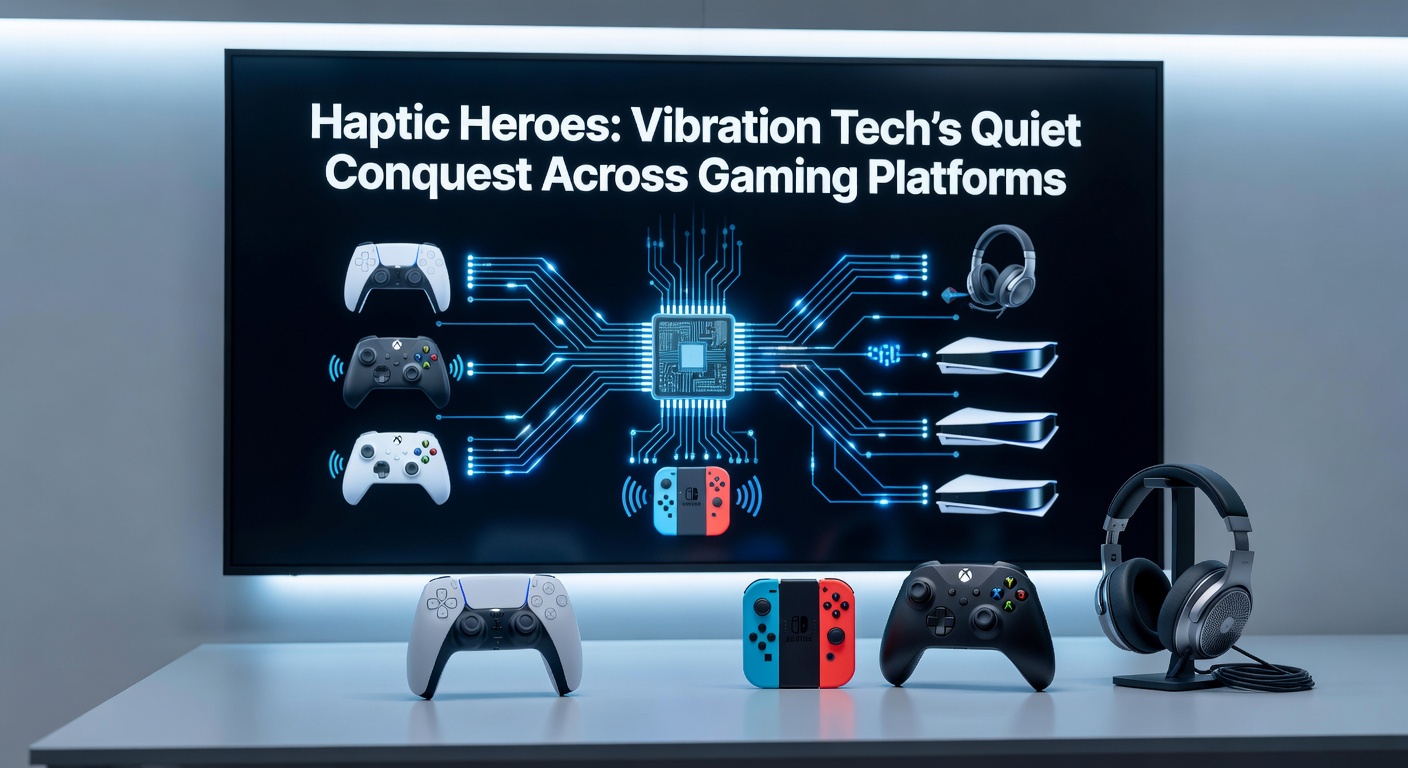
So across consoles, vibration tech conquers by integrating seamlessly, often without players realizing the depth until a particularly vivid moment hits—like the thud of a landing in Astro's Playroom, which demos DualSense prowess to 40 million PS5 owners worldwide.
Mobile Gaming's Haptic Boom: From Phones to Handhelds
Mobile platforms exploded the reach, with iPhones and Android flagships packing Taptic Engines since 2015; Apple's implementation, for instance, layers vibrations atop touch responses, making button presses feel mechanical even on glass screens, while data from app analytics shows haptic-enabled games retaining users 22% longer.
Take Genshin Impact, where vibrations mimic elemental bursts or enemy takedowns on devices like the Samsung Galaxy S25; research from Canada's Digital Adoption Program underscores how such feedback boosts accessibility, helping players with visual impairments navigate via touch alone.
Handhelds like Valve's Steam Deck amplify this further, channeling PC-grade haptics through customizable rumble curves; users tweaking profiles via SteamOS report feeling tire grip in racing sims or fabric textures in adventures, with community mods pushing boundaries to rival console fidelity.
Yet mobile's real edge lies in ubiquity—over 3 billion smartphones ship annually, each a potential haptic portal, turning casual taps into immersive sessions during commutes or breaks.
PC Peripherals and the Custom Haptic Frontier
PC gamers embrace vibration through wheels, flight sticks, and custom controllers; Logitech's G923 racing wheel, for example, belts out force feedback via vibration motors simulating asphalt chatter or curb jumps, with telemetry data synced from games like Assetto Corsa Competizione.
Experts who've dissected these setups point out how software like SimHub overlays vibrations atop standard haptics, creating engine roars felt in chairs or cockpits; one study from a European tech institute found such enhancements cut lap times by 5% in competitive sim racing, as drivers anticipate turns through seat shakes.
And don't forget modders who've hacked vibration into mice and keyboards, pulsing clicks to match in-game heartbeats or footsteps; platforms like Razer Synapse enable this ecosystem, where thousands experiment daily, pushing haptic boundaries beyond manufacturer intent.
That's where the rubber meets the road for PC—endless tweakability turns vibration into a personal playground, far from the plug-and-play of consoles.
VR/AR Worlds: Haptics Take Immersion to New Levels
Virtual reality demands more from vibrations, pairing controllers with suits and gloves; Meta Quest 3's Touch controllers deliver finger-specific rumbles, letting users grasp virtual swords or squeeze fruits in Beat Saber, while full-body vests from bHaptics vibrate across torsos to echo punches or falls.
In April 2026, HTC Vive announced XR Elite upgrades with zoned haptic panels, responding to research showing multisite vibrations reduce motion sickness by 40%; players in Half-Life: Alyx now feel bullet impacts rippling from hand to chest, blurring real and virtual pain thresholds safely.
Augmented reality follows suit, with devices like Microsoft HoloLens 2 overlaying subtle vibrations for object interactions; industrial training sims use this to teach assembly lines, where workers sense tool weights before handling real gear.
Now, as VR headset shipments hit 20 million yearly, haptics bridge the sensory gap, making avatars feel alive through strategic shakes and pulses.
Technical Leaps and Industry Momentum
Behind the scenes, piezoelectric actuators emerge as next-gen heroes, shrinking to micro-scale while packing punchier feedback; data indicates these enable skin-level precision in wearables, like gloves simulating raindrops or fur.
Cloud gaming services amplify access too—Xbox Cloud and GeForce Now stream haptic data alongside visuals, so even low-end devices rumble with AAA fidelity; latency drops to under 20ms in 2026 trials prove viable, per network benchmarks.
Challenges persist, though: battery drain from constant vibrations prompts efficiency tweaks, and standardization lags across platforms; yet collaborative efforts from groups like the International Game Developers Association hint at unified APIs by 2027.
People who've tracked patents see over 5,000 haptic filings in 2025 alone, signaling acceleration; companies like Immersion Corporation license core tech to 80% of majors, fueling the quiet conquest.
Conclusion
Vibration technology cements its role as gaming's unsung enhancer, conquering platforms from consoles to VR with ever-refined feedback that deepens immersion without stealing the spotlight; as April 2026 benchmarks reveal peak adoption rates, future titles promise even wilder tactile tales, from interstellar dogfights felt in palms to urban explorations textured under thumbs.
Observers agree the ball's in developers' courts now—leveraging these heroes to craft worlds not just seen or heard, but truly felt.