How Fan Translations Reshape Character Development Arcs in Localized Role-Playing Adventures from Eastern Studios
Drew Bauer · Aug 18, 2026
How Fan Translations Reshape Character Development Arcs in Localized Role-Playing Adventures from Eastern Studios
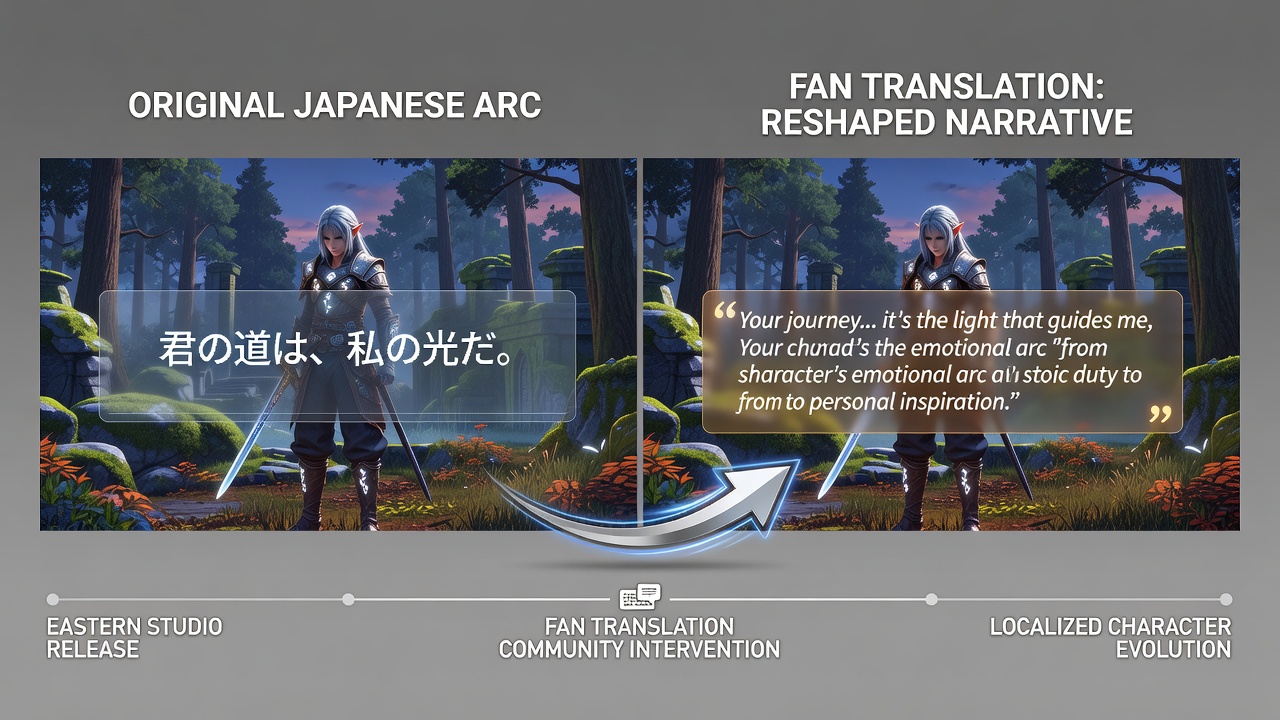
Japanese and Korean studios release role-playing adventures with layered dialogue systems that define how protagonists and supporting figures evolve across dozens of hours, yet official localization teams often condense or reinterpret lines to fit regional pacing expectations while fan translation groups produce alternative versions that preserve original phrasing and cultural references. These parallel releases circulate widely among players who compare scripts side by side, revealing shifts in tone that alter perceived motivations and growth trajectories for central characters. Data from community archives shows thousands of documented discrepancies in titles released between 2018 and 2025, with patterns emerging around key narrative decision points.
Script Differences and Their Reach
Official English versions from companies such as Square Enix and Atlus frequently adjust honorific usage and indirect speech patterns common in source material, whereas fan groups working on the same titles retain those elements to maintain interpersonal distance or familiarity between characters. Researchers tracking releases note that such choices influence how players interpret relationships, particularly when protagonists confront authority figures or form bonds during extended story segments. In one documented case involving a 2023 Korean action RPG, fan scripts kept repeated use of formal address that highlighted a supporting character's gradual shift from deference to equality, an arc that appeared flatter in the commercial release because translators streamlined those exchanges.
August 2026 saw renewed discussion around an upcoming eastern studio title whose early patches addressed localization complaints after players shared side-by-side comparisons online. Community forums documented how certain emotional confrontations read differently once restored phrasing reached wider audiences, prompting further analysis of earlier projects.
Case Examples Across Studios
Observers tracking Persona series entries found that fan translations sometimes extended internal monologue segments that official versions trimmed for flow, thereby extending the timeframe over which a character confronts personal flaws and commits to change. Studies of script databases compiled by academic groups in Japan indicate that these extensions occur most often during mid-game turning points where protagonists weigh past actions against future goals. Similar patterns appear in games from Falcom and Bandai Namco, where supporting allies gain additional context for their loyalty shifts when translators avoid condensing repeated reassurance phrases.
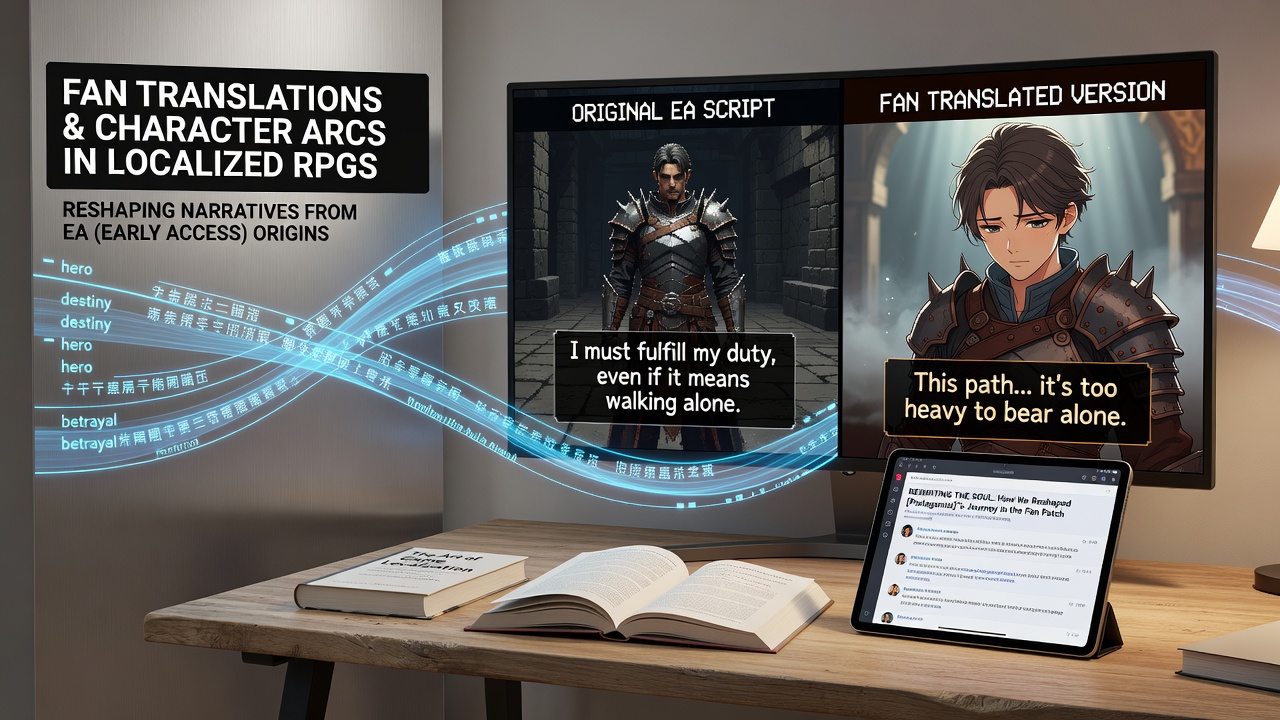
Take one researcher who examined multiple versions of a long-running series and discovered that certain rival characters transitioned from antagonistic to supportive roles more gradually in fan editions because the translators kept layered insults that softened over repeated encounters. Official adaptations replaced those insults with shorter taunts, compressing the timeline of the rivalry and making the eventual alliance feel abrupt to some players. Figures from localization reports released by the Entertainment Software Association reveal that eastern RPGs account for a growing share of titles receiving both official and unofficial English support, increasing opportunities for such comparative analysis.
Community Tools and Distribution
Translation patches circulate through dedicated repositories that track version history and credit contributors who cross-reference voice lines with text files. Those repositories often include notes explaining why specific lines were rendered differently from commercial editions, allowing readers to trace decisions back to cultural context or narrative intent. Academic papers hosted by institutions such as the University of Melbourne's digital media research center examine how these notes influence subsequent player interpretations of character consistency across multiple playthroughs.
Engine modifications developed by modding communities further enable simultaneous display of original and translated text, letting players toggle between versions during key scenes. This capability has expanded since 2024 as more titles adopt modular dialogue systems, according to industry data shared by the Interactive Software Federation of Europe.
Longer-Term Effects on Perception
Repeated exposure to alternative scripts leads some players to form composite understandings of character arcs that blend elements from multiple translations. Forums dedicated to eastern RPGs record threads where participants debate which version better captures intended growth, citing line counts and emotional beats rather than personal preference. Such discussions feed back into translation projects when new teams reference earlier debates while preparing patches for remasters or sequels.
Evidence from script comparison projects shows that character backstories involving family obligations or societal expectations undergo the most noticeable reshaping, since these elements rely heavily on culturally specific phrasing that resists direct conversion. When fan groups preserve those details, players encounter slower revelations that align more closely with the pacing set by original voice acting and animation cues.
Conclusion
Fan translations continue to circulate alongside official releases, creating parallel records of how eastern studio characters develop through dialogue choices and narrative milestones. Comparative studies compiled by universities and trade organizations document measurable differences in pacing and emphasis that affect how audiences track motivation shifts and relationship changes. As new titles reach global markets, these dual translation ecosystems supply additional data points for examining localization practices and their influence on story reception.