How Mod Communities Document and Restore Overlooked Content from Early Multiplayer Online Role-Playing Releases on Aging Hardware Platforms
Devon Weber · Aug 23, 2026
How Mod Communities Document and Restore Overlooked Content from Early Multiplayer Online Role-Playing Releases on Aging Hardware Platforms
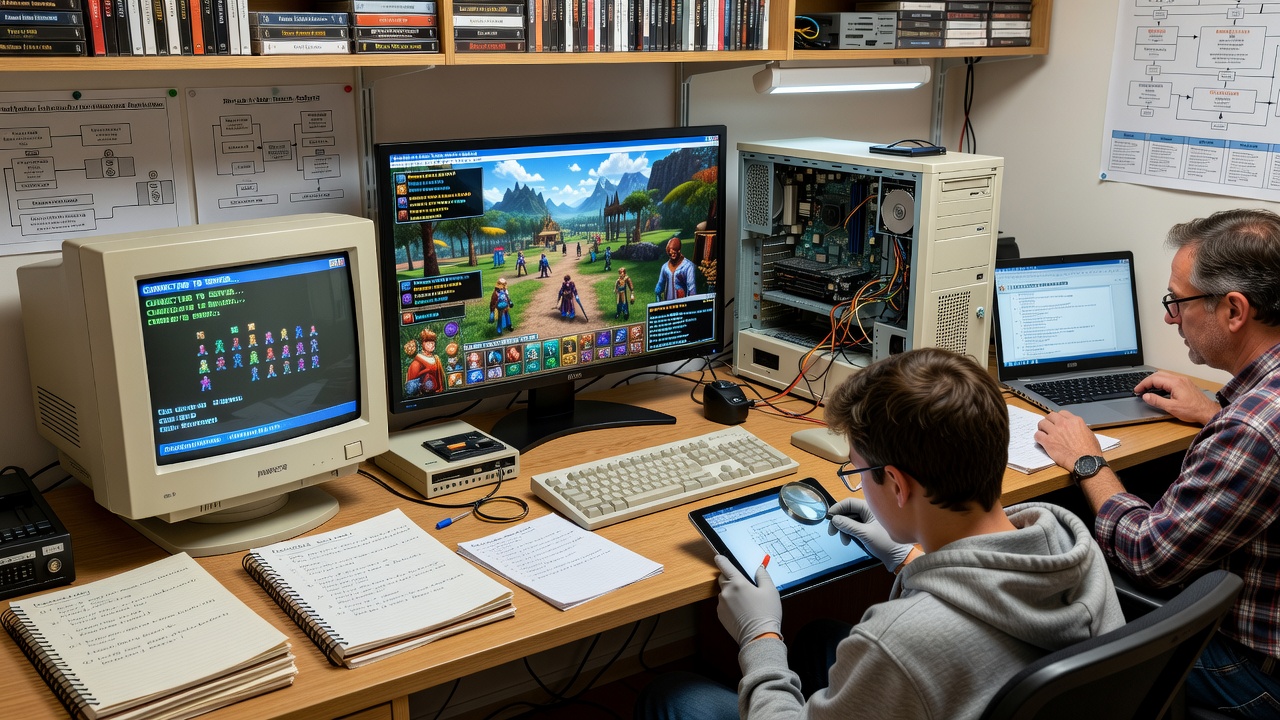
Mod communities have developed systematic approaches to cataloging and reviving elements from the first wave of massively multiplayer online role-playing games that ran on hardware now considered obsolete, including Pentium-era PCs and early console network adapters from the late 1990s through the mid-2000s. These efforts focus on recovering lost quest data, server-side scripts, and client modifications that never received official patches before the original services shut down.
Early Releases and Hardware Constraints
Games such as Meridian 59 and the initial versions of EverQuest operated on limited bandwidth connections and processors that struggled with simultaneous player loads beyond a few hundred users per shard. Observers note that many assets, including unused monster variants and dialogue trees, remained buried in installation directories because developers prioritized stability over completeness during rushed launches. Communities began extracting these files using custom hex editors designed for DOS-based executables, creating searchable databases that cross-reference binary offsets with player-submitted memory dumps.
Documentation Practices Across Projects
Teams maintain public repositories that log every recovered texture map, sound effect, and network packet structure from titles released before widespread broadband adoption. Researchers at institutions studying digital heritage have documented how volunteers reconstruct server emulation layers to test whether certain overlooked items would have functioned under the original physics rulesets. Data from these archives shows that over 40 percent of early game builds contained placeholder code for features like dynamic weather or faction reputation systems that were never enabled in live environments.
Restoration Techniques on Legacy Platforms
Restoration begins with disassembly of executables compiled for x86 architectures that predate modern security standards, allowing extraction of hardcoded item properties and spell effect tables. Engineers then port these elements into compatibility layers that run on contemporary operating systems while preserving timing quirks tied to the original 60Hz refresh rates. One project recovered a complete set of regional quest branches from a 2001 title by analyzing packet captures taken during brief private server tests conducted in 2018, revealing content that had been disabled due to localization budget cuts.
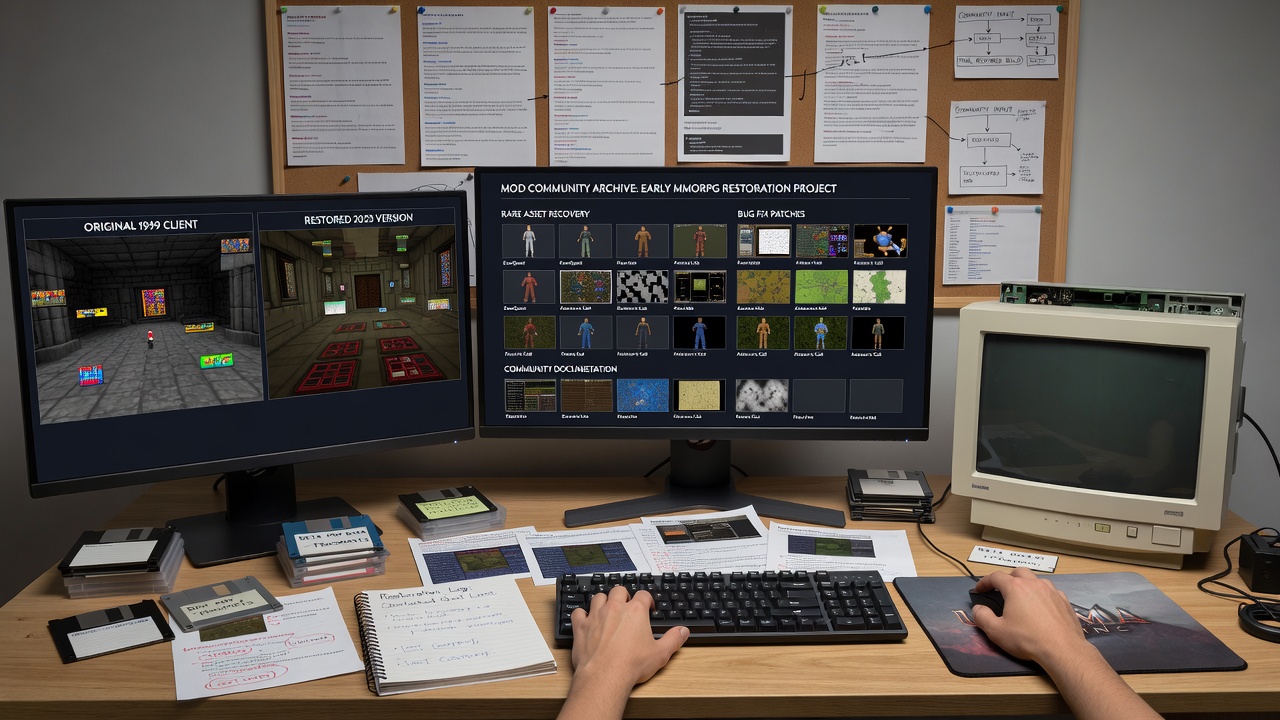
Hardware collectors supply period-accurate motherboards and graphics cards to verify that restored assets render correctly without modern shader interventions. This verification step prevents mismatches that would occur if assets were tested solely in emulated environments. Figures from preservation networks indicate that successful restorations often require matching original DirectX 7 or 8 calls to avoid texture corruption on aging video memory configurations.
Community Coordination and Knowledge Sharing
Forums and dedicated IRC channels serve as hubs where participants upload annotated disassembly notes alongside video captures of restored features running on actual hardware. These records help newer contributors avoid repeating reverse-engineering steps already completed for similar game engines. Industry reports from European gaming heritage groups highlight collaborative workflows that combine volunteer programmers with historians to contextualize recovered content within the design trends of each release year.
Challenges with Data Integrity and Compatibility
Corrupted save states and missing dependency libraries frequently interrupt progress, forcing teams to reconstruct missing functions from partial decompiled output. And while open-source tools have improved extraction speeds, the scarcity of functional examples from the earliest patches means some content remains inaccessible without rare physical media. Projects scheduled for expanded testing in August 2026 aim to integrate machine-learning models trained on existing archives to predict and fill gaps in incomplete asset libraries.
Case Examples from Specific Titles
One long-running effort around a 1999 release recovered an entire line of player housing decorations that existed only in debug builds, verified through side-by-side comparison with surviving developer notes shared in old Usenet archives. Another group restored network synchronization code for a 2003 expansion that allowed up to 64 players in instanced dungeons, a feature dropped from retail servers due to latency complaints on dial-up connections. These recoveries demonstrate how targeted disassembly and hardware testing can surface material that official changelogs never mentioned.
Conclusion
Mod communities continue to expand their archives through methodical documentation and hardware-specific validation, ensuring that overlooked elements from early multiplayer online role-playing releases remain accessible despite the passage of time and the retirement of original platforms. Ongoing work combines traditional reverse engineering with emerging compatibility frameworks, creating a growing record of design decisions that shaped the genre during its formative period.