Military Strategy Archives Shaping Unit Command Hierarchies in Real-Time Simulations on Varied Hardware Ecosystems
Bianca Schmitz · Jul 21, 2026
Military Strategy Archives Shaping Unit Command Hierarchies in Real-Time Simulations on Varied Hardware Ecosystems
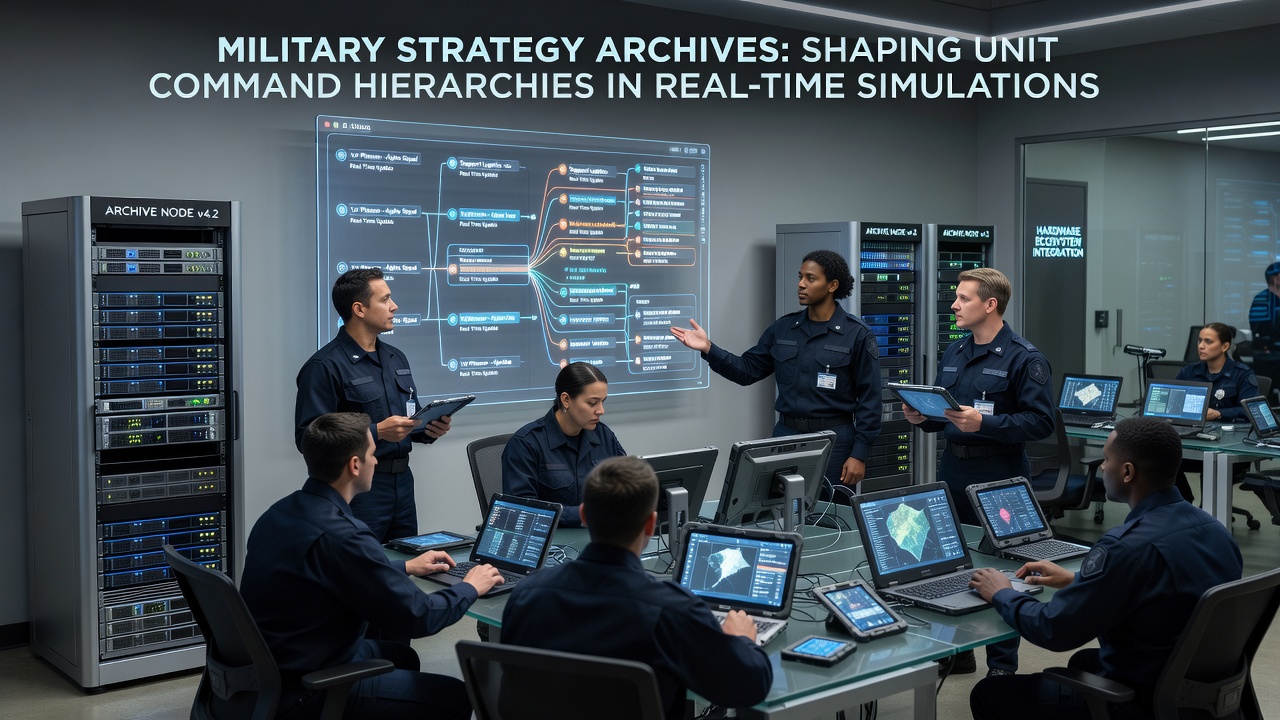
Historical military records from conflicts spanning centuries continue to inform how developers structure unit command systems in real-time simulations, and these influences appear across platforms ranging from high-end desktop systems to portable devices. Archival materials including after-action reports, organizational charts, and tactical manuals provide the foundation for decision trees that govern how simulated forces respond to player inputs. Researchers at institutions studying defense technologies have documented this pattern in multiple releases over the past decade, showing consistent borrowing from primary sources rather than purely invented mechanics.
Archival Foundations in Command Design
Primary documents from 20th-century military operations supply detailed hierarchies that translate directly into simulation code, where a battalion structure might mirror documented chains of command from World War II field manuals. Developers access digitized collections maintained by government repositories, allowing them to replicate promotion pathways, communication delays, and delegation rules with measurable accuracy. Data from the US Army Center of Military History indicates that such references improve the fidelity of simulated unit cohesion under stress, and similar patterns emerge in titles released during 2025 and into mid-2026.
Command hierarchies in these environments often retain elements like layered authorization levels and specialized roles because archives show these features reduced response times in actual operations. When integrated into simulation engines, the same structures produce predictable behaviors during large-scale engagements, and testing on varied hardware reveals consistent performance when the underlying logic remains intact. Observers note that mobile versions frequently simplify certain delegation steps to accommodate touch interfaces, yet the core archival logic persists across adaptations.
Real-Time Execution and Hardware Variations
Real-time simulations process these hierarchies through algorithms that update unit states multiple times per second, and the computational demands shift depending on whether the session runs on dedicated graphics hardware or integrated mobile chipsets. Desktop configurations handle deeper branching in command trees without frame drops, whereas console and handheld systems apply dynamic pruning to maintain responsiveness. A report from the Australian Defence Simulation and Training Centre highlights how hardware constraints influence which archival details receive priority during optimization cycles, particularly in titles supporting cross-platform multiplayer sessions.
Engineers adjust rendering pipelines and AI pathfinding routines so that a platoon-level decision made on a high-power workstation produces equivalent outcomes on lower-spec tablets, even when the visual representation of orders differs. This consistency stems from modular code architecture that isolates hierarchy logic from platform-specific rendering calls, allowing updates in July 2026 to propagate across ecosystems without breaking existing save data. Studies tracking player retention across devices show that preserved command fidelity correlates with longer engagement periods, regardless of input method.
Cross-Platform Implementation Patterns
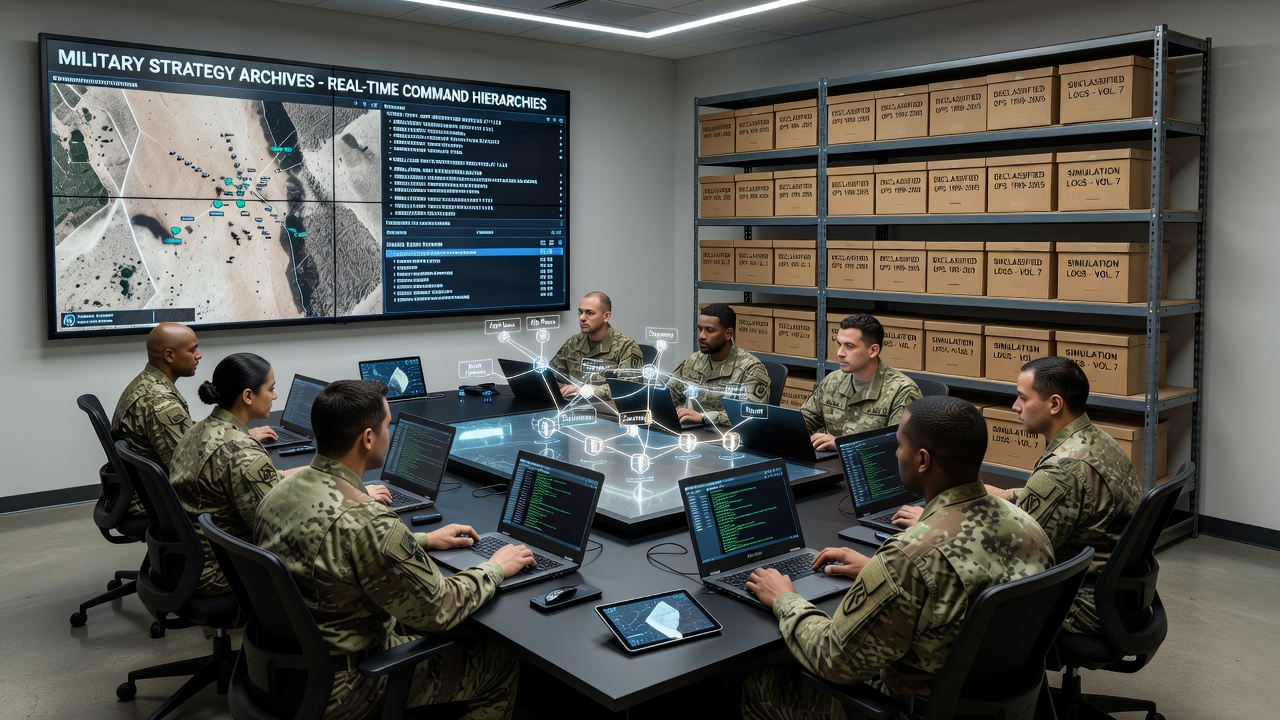
Developers working with European Defence Agency guidelines have incorporated archival accuracy metrics into quality assurance protocols, measuring how closely simulated hierarchies align with documented historical precedents. On personal computers, full-resolution archives enable detailed officer profiles and real-time status tracking, while cloud-streamed console sessions compress the same data into lighter packets that respect bandwidth limits. Mobile implementations further abstract certain layers, yet retain the sequence of approvals required for artillery or reconnaissance calls because those sequences derive directly from primary sources.
Performance benchmarks released in early 2026 demonstrate that optimized hierarchy code runs efficiently on both ARM-based processors and x86 architectures when developers separate logic from presentation layers. This separation permits simultaneous updates across ecosystems, and community-driven modding tools built around these structures allow users to import additional archival materials without destabilizing core gameplay loops. Figures from industry tracking organizations indicate rising adoption of such modular designs among mid-sized studios targeting multiple device categories.
Future Developments in Archive Integration
Ongoing digitization projects continue to expand the pool of available records, and simulation teams now incorporate machine-readable metadata from newly released collections to refine command response curves. Hardware manufacturers have begun publishing APIs that expose performance characteristics relevant to hierarchy processing, enabling finer calibration during porting phases. As of July 2026, several major titles schedule mid-year patches that further align simulated delegation mechanics with recently declassified field documents, extending compatibility to emerging handheld form factors.
Conclusion
The integration of military strategy archives into real-time simulation hierarchies produces measurable consistency across hardware ecosystems when developers maintain modular separation between logic and platform constraints. Continued access to primary sources supports iterative refinements that preserve historical accuracy while accommodating technical differences in processing power and input methods. Research institutions and defense organizations document these developments through ongoing performance evaluations, establishing clear pathways for future expansions in simulation design.