Player-Created Mods Integrate Archive Data into City-Building Simulators for Educational Multiplayer Play
Bianca Schmitz · Jul 28, 2026
Player-Created Mods Integrate Archive Data into City-Building Simulators for Educational Multiplayer Play
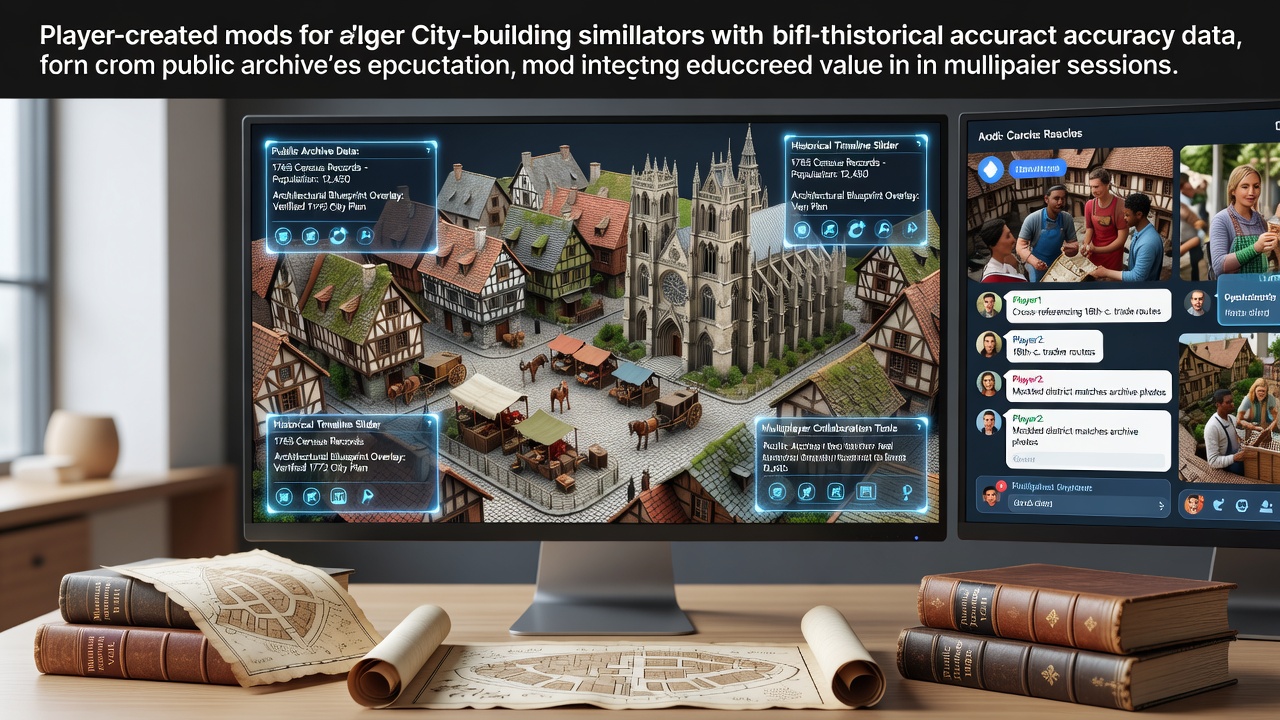
Player-created mods for city-building simulators draw from public archives to embed verifiable historical details into virtual environments, and these modifications support structured learning during multiplayer sessions where participants reconstruct districts or manage resources under period-specific constraints. Mod developers pull census records, architectural blueprints, and cartographic surveys from repositories such as the US National Archives, then translate those materials into game assets that reflect actual building footprints, street grids, and population distributions from specific eras.
Archive Sources Supply Verifiable Data for Mod Construction
Developers access digitized collections that include municipal planning documents and photographic evidence, which they convert into 3D models and simulation parameters while maintaining compatibility with core game engines. Research from academic groups shows that such integrations increase the fidelity of infrastructure layouts and economic models, because parameters for trade volumes or housing density align with figures preserved in government ledgers. In July 2026 several modding communities released updated toolkits that streamline the import of geospatial layers from national mapping services, allowing creators to overlay historical boundaries onto contemporary simulation maps without manual recalibration.
One team working on a 19th-century industrial expansion mod consulted railway company archives to determine track gauges and station placements, then programmed those measurements directly into pathfinding algorithms so that virtual freight movement matched documented schedules. Players in multiplayer groups subsequently tested these routes against in-game production goals, which produced session logs that mirrored real logistical challenges recorded in period reports.
Multiplayer Sessions Use Modded Environments for Structured Learning
Multiplayer lobbies built around these mods assign roles such as municipal planner, industrialist, or preservation officer, each governed by rules derived from archival regulations like zoning ordinances or sanitation codes. Participants negotiate development decisions while the simulation enforces constraints drawn from historical data, and post-session analytics compare outcomes against primary source statistics. Studies conducted at several European universities indicate that groups using archive-backed mods retain more factual information about urban development timelines than those playing unmodified versions, because the enforced parameters prompt repeated reference to the underlying records.
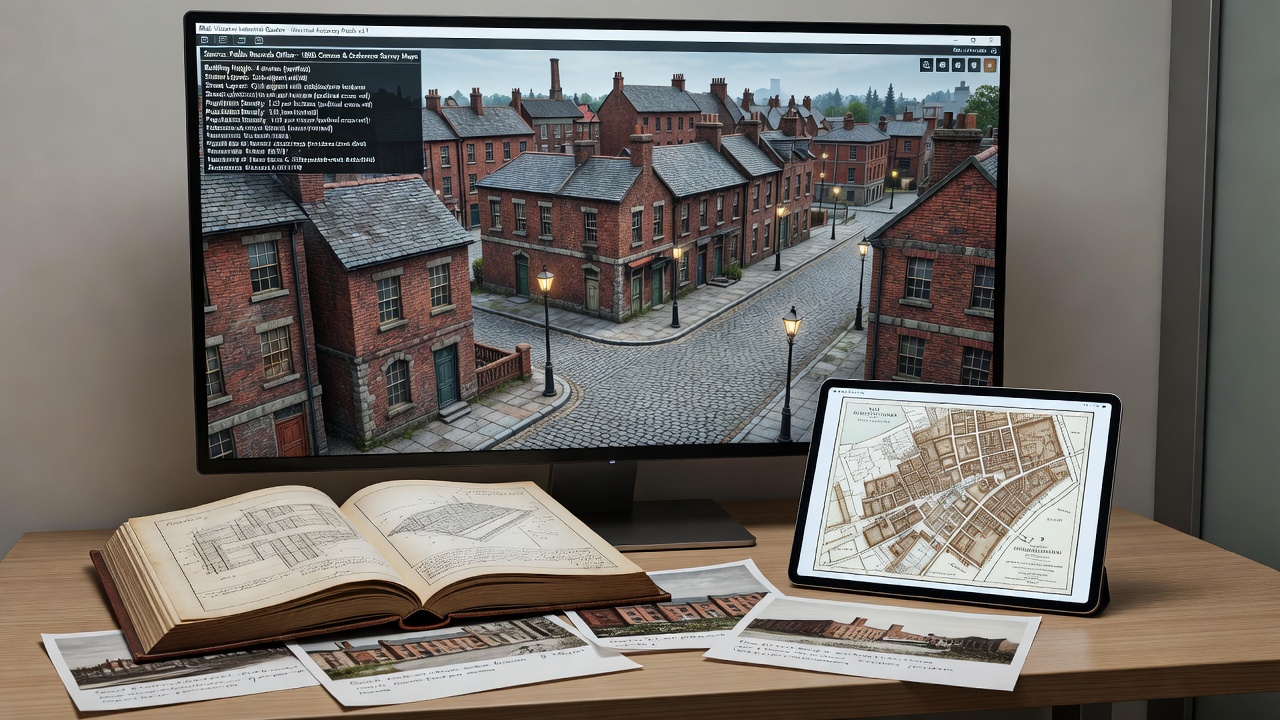
Moderators often embed reference panels within the game interface that link individual structures back to their source documents, enabling quick verification during debates over design choices. Data from platform telemetry reveals that sessions incorporating these panels extend average play duration by measurable margins, because players pause to cross-check details rather than proceeding with approximations.
Technical Implementation Bridges Public Records and Game Systems
Mod frameworks parse structured data from archive APIs to populate building databases with accurate dimensions, material properties, and occupancy figures, then feed those values into the simulator's resource and population engines. Community repositories maintain version histories that track which archive batches supplied each asset, creating audit trails that educators can review when preparing lesson plans. Observers note that this traceability reduces disputes during multiplayer matches, since any participant can trace a disputed statistic to its originating record without leaving the session.
Additional layers incorporate climate or demographic datasets from regional meteorological services and census bureaus, which adjust simulation variables such as crop yields or migration rates according to documented conditions for the chosen time period. These adjustments propagate through multiplayer economies so that collective decisions produce results consistent with historical precedents rather than generic game defaults.
Conclusion
Player mods that embed archive-derived accuracy into city-building simulators provide multiplayer environments where educational outcomes emerge directly from gameplay mechanics. Continued collaboration between modding communities, public institutions, and academic researchers sustains the flow of new data sets into these tools, expanding the range of eras and regions available for collaborative reconstruction projects.