Real-Time Translation Tools Transforming Communication in Global Esports Events
Lars Roth · Aug 14, 2026
Real-Time Translation Tools Transforming Communication in Global Esports Events
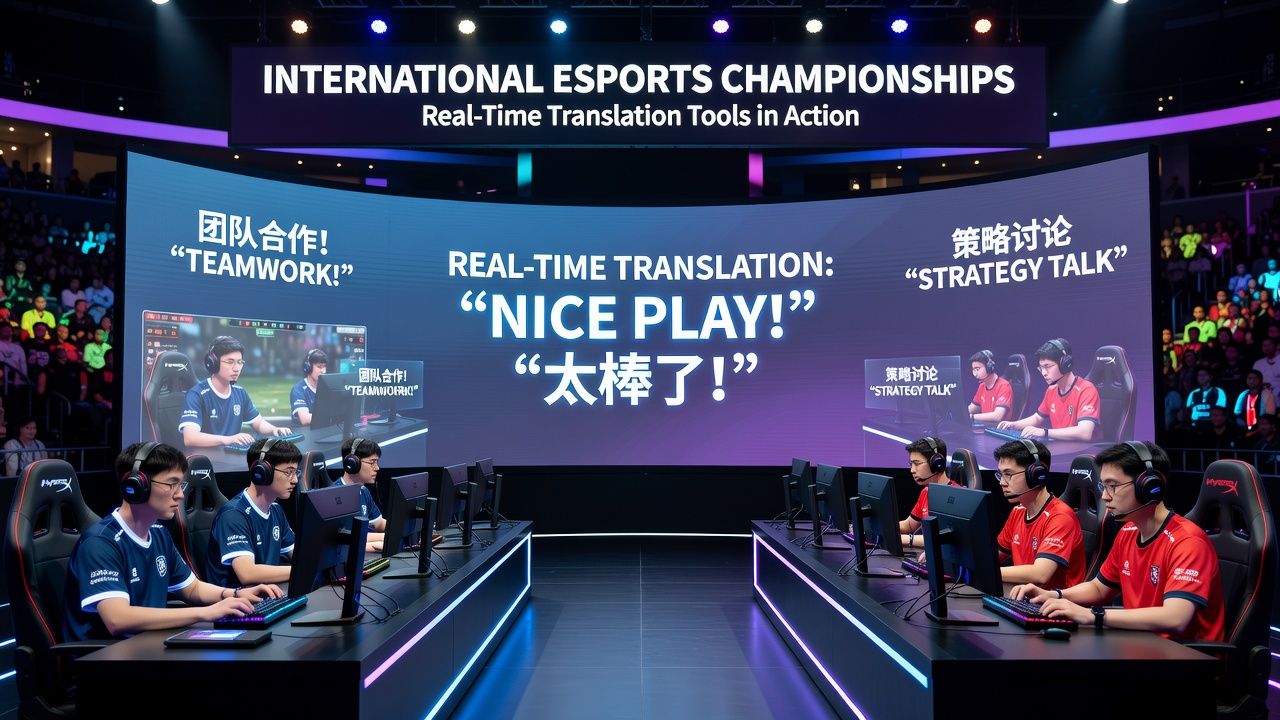
International esports competitions bring together players from dozens of countries, and language differences have long created barriers during team coordination and post-match analysis. Real-time translation tools now convert spoken words and on-screen text across major languages within seconds, allowing squads to maintain focus on gameplay rather than struggling with interpreters. Data from tournament organizers shows these systems handle live voice chat in events featuring participants from over 40 nations each year.
Development of Instant Translation Systems for Competitive Play
Engineers began adapting consumer AI translation models for gaming environments around 2022, and by 2025 several platforms integrated low-latency speech recognition directly into voice communication software. Researchers at institutions in Asia and North America refined neural networks to manage gaming-specific terminology such as ability names and map callouts, which reduced mistranslation rates in high-pressure situations. Observers note that these improvements coincided with the expansion of cross-regional leagues, where teams required seamless exchanges during scrims and official matches.
Companies supplying hardware for professional setups started embedding dedicated translation chips into headsets and coaching stations. One major provider reported deployment across 150 tournament venues worldwide by mid-2025, while figures from industry reports indicate average latency dropped below 800 milliseconds for English-to-Korean and English-to-Chinese pairs. Those who manage event infrastructure point out that cloud-based processing handles the bulk of computation, yet local fallback modes prevent disruptions when internet connections fluctuate.
Applications in Major Tournaments and Team Operations
During the 2025 League of Legends World Championship, squads from Europe, North America, and Southeast Asia relied on real-time tools to review strategies between games, converting coach instructions into each player's native language without interrupting the 10-minute break windows. Similar systems appeared in Dota 2 majors and Valorant Champions events, where analysts used tablet interfaces to display translated text alongside live game feeds. Participants from Brazil and Turkey described how these features allowed them to absorb tactical adjustments faster than previous human interpreter arrangements.
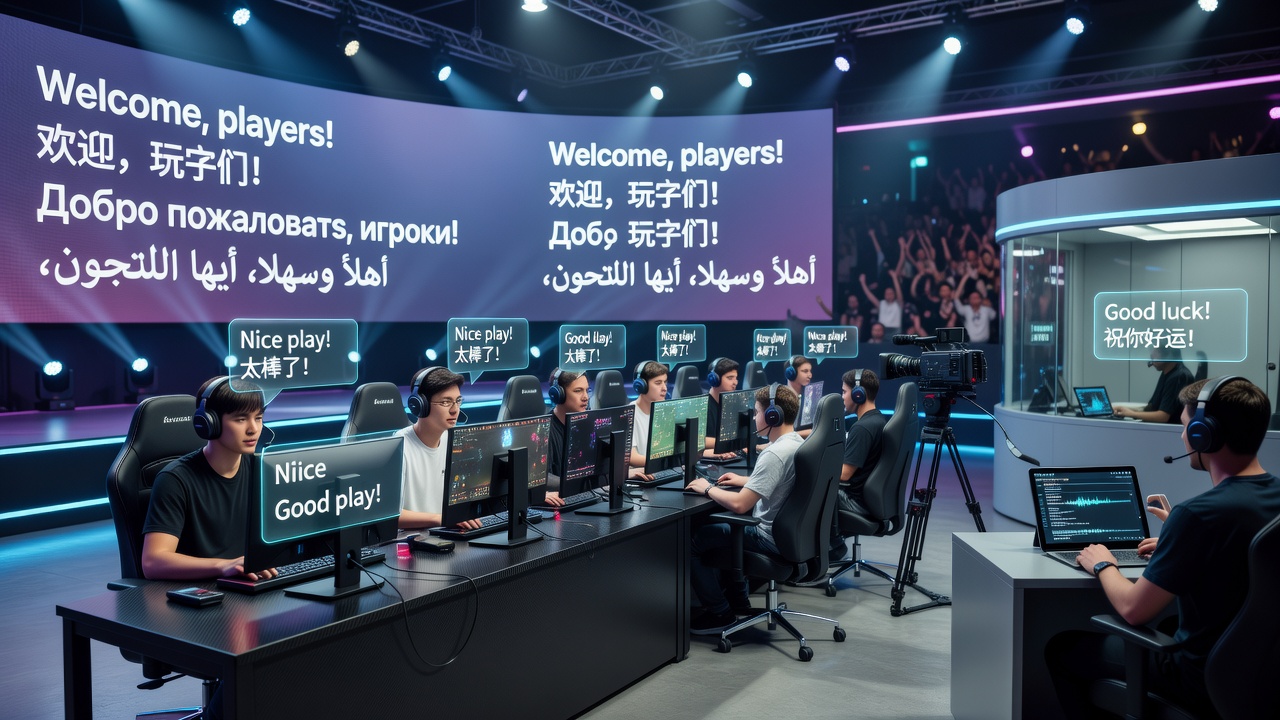
Fan engagement platforms added parallel translation overlays for broadcast chats and social media interactions, enabling viewers in non-English markets to follow English-language caster commentary in real time. Statistics released by a global esports federation revealed a 35 percent increase in international viewership retention during translated streams compared with prior seasons. What's interesting is that organizers in Australia and Canada began testing multilingual audience polls that update live based on translated responses, creating direct feedback loops between regional fan bases and production teams.
Technical Challenges and Ongoing Refinements
Accent recognition remains an area of active development, since players from various regions introduce pronunciation variations that can trip up models trained primarily on standard dialects. Tournament staff compensate by providing pre-event voice calibration sessions, which data shows cut error rates by roughly half in controlled tests. Background noise from cheering crowds and game audio also demands specialized filtering, and engineers continue to iterate on microphone arrays that isolate individual speakers during team huddles.
Security protocols require encryption of translated streams to prevent external interception of strategic discussions, and regulatory frameworks in the European Union and South Korea now include guidelines for handling player biometric data collected during voice processing. Those overseeing compliance report that audits conducted in early 2026 confirmed adherence across most major circuits, although smaller regional events sometimes lag in implementation.
Outlook for August 2026 and Future Integration
August 2026 marks the scheduled rollout of next-generation models that incorporate context-aware translation for game-specific slang, drawing from databases compiled across thousands of professional matches. Industry organizations based in Japan and the United States have formed working groups to standardize terminology lists, which should further improve accuracy when new titles enter the competitive circuit. Pilot programs already underway demonstrate reduced communication friction during mixed-roster scrimmages involving players from Latin America and Eastern Europe.
Academic studies from universities in multiple countries continue to track how these tools affect team performance metrics, with preliminary results indicating faster adaptation periods for newly formed international lineups. Equipment suppliers plan to release updated headsets featuring on-device processing that operates independently of venue internet speeds, addressing concerns raised during previous large-scale events held in remote locations.
Conclusion
Real-time translation technology has become a standard component of international esports infrastructure, supporting coordination among diverse participant groups and expanding access for global audiences. Continued refinements in latency, accuracy, and hardware integration point toward broader adoption in both professional circuits and amateur online play by the end of the decade, with August 2026 serving as a key milestone for updated system deployments across major platforms.