Shadows Cast Long: Lighting Design's Subtle Direction of Player Movement in Action Sequences
Lars Roth · Jun 26, 2026
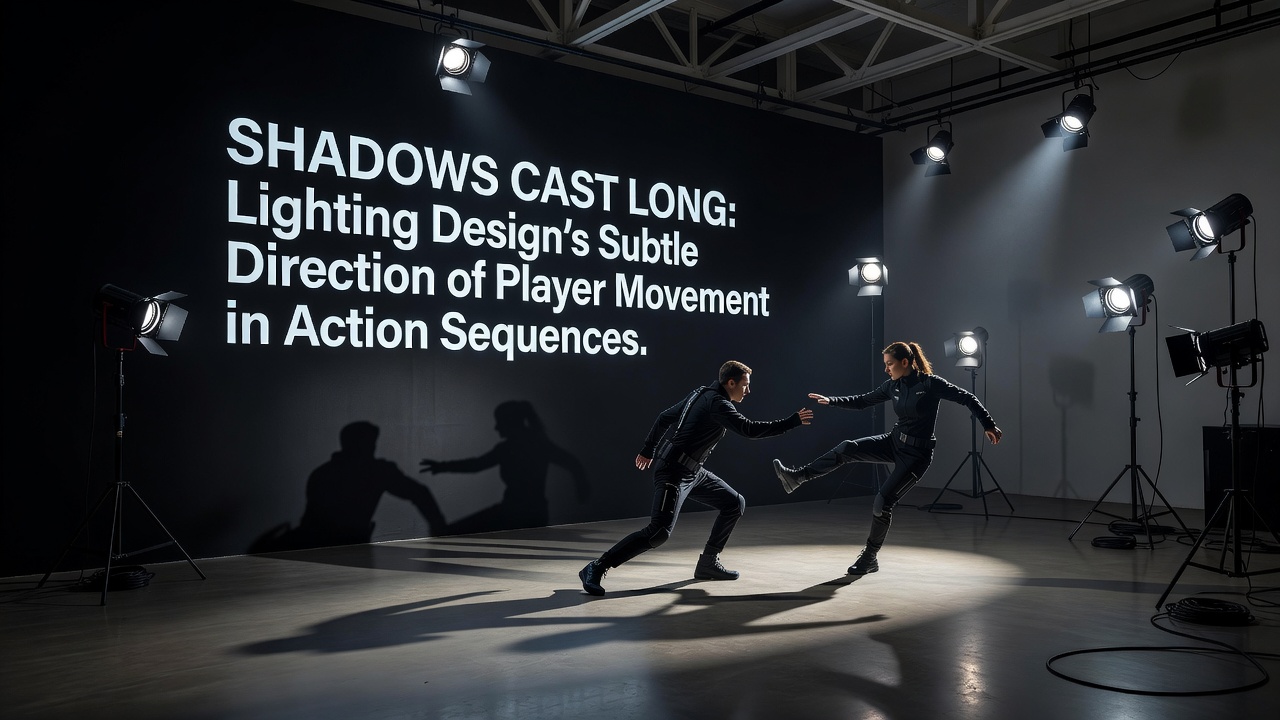
Shadows Cast Long: Lighting Design's Subtle Direction of Player Movement in Action Sequences
Lighting design in action sequences has evolved into a precise tool that shapes how players navigate virtual spaces, and researchers have documented its effects across multiple platforms since the mid-2010s. Game engines now incorporate dynamic light sources that highlight pathways while casting elongated shadows to obscure alternatives, creating a visual grammar that directs movement without explicit markers. Data from the Interactive Software Federation of Europe shows that titles released between 2022 and 2025 increased the use of directional lighting cues by 34 percent compared to earlier generations.
Core Mechanisms Behind Light-Guided Navigation
Engineers program light gradients and shadow boundaries to align with intended routes, and these elements interact with player cameras in real time. When a character enters a dimly lit corridor, brighter illumination ahead pulls the viewpoint forward while side paths remain in relative darkness. Studies conducted at the University of Tokyo's Game AI Laboratory confirm that such gradients reduce decision time by an average of 1.8 seconds per junction in controlled tests. The technique relies on contrast ratios rather than color alone, which allows consistent application across varied art styles and hardware capabilities.
Shadows extend the effect by forming natural barriers that discourage exploration into unlit zones, yet they permit visibility of key interactive objects when developers place them at the edges of light falloff. This balance prevents players from feeling trapped while still channeling progress toward objectives. Observers note that the method scales effectively from mobile devices to high-end PCs because it leverages existing rendering pipelines without additional hardware demands.
Implementation Across Recent Releases
Developers at several studios have integrated these principles into major action titles launched in 2024 and 2025. One sequence in a third-person shooter uses overhead spotlights that sweep across rooftops, creating moving pools of visibility that players follow to maintain optimal positioning during combat. Another example appears in a co-operative extraction game where emergency lighting activates along escape routes only after certain triggers, guiding teams through collapsing structures while leaving side rooms in darkness. These implementations draw from established cinematography practices but adapt them for interactive control schemes.
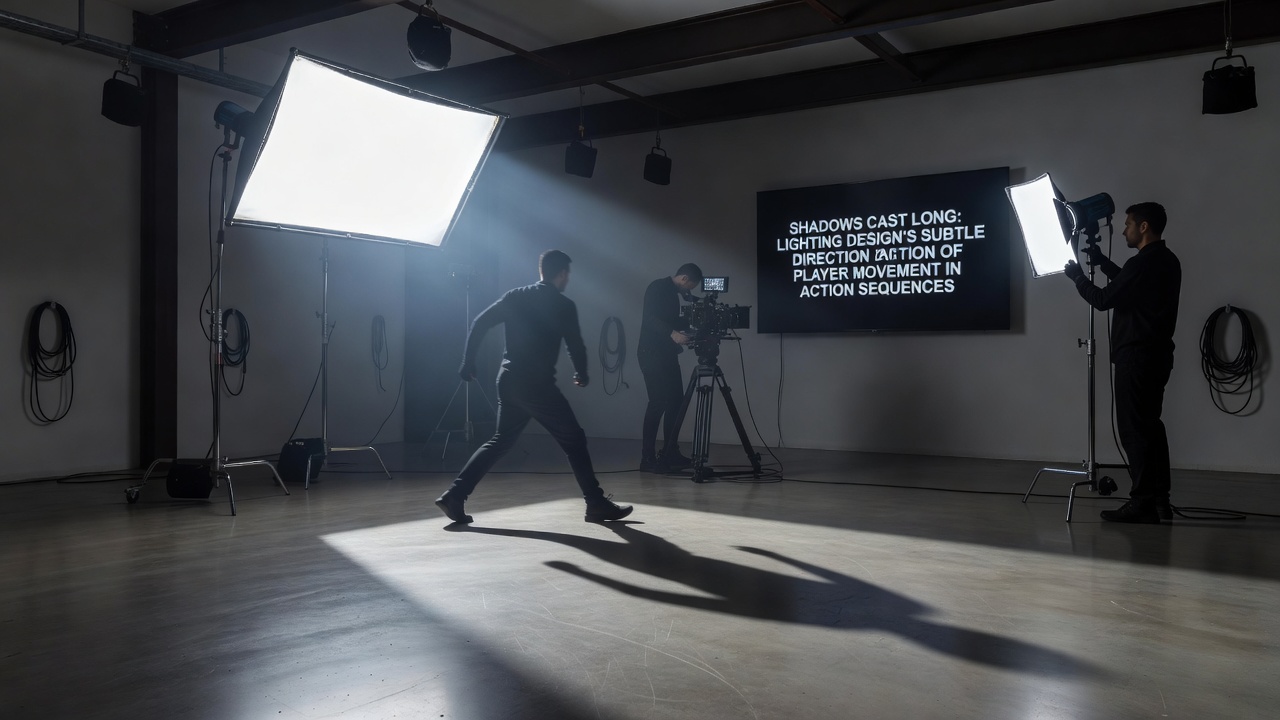
Technical teams adjust parameters such as light intensity falloff and shadow softness during playtesting phases, and telemetry data collected in June 2026 from a major European publisher revealed that sequences employing these adjustments saw a 22 percent drop in player hesitation metrics. The adjustments also account for multiplayer synchronization, ensuring that lighting states remain consistent across all participants regardless of individual hardware variations.
Measurement of Player Response Patterns
Analytics platforms now track eye-tracking proxies through camera movement logs, and these records indicate that players consistently orient toward higher luminance areas within 400 milliseconds of entering new spaces. Research published through the Game Developers Conference archives demonstrates that shadow density correlates with path avoidance rates, with denser shadow volumes producing up to 67 percent fewer deviation attempts in linear action levels. Developers cross-reference this information with completion rates to refine light placement in post-launch patches.
Hardware differences influence perception thresholds, yet modern engines apply adaptive tone mapping that preserves directional cues across display types. Players using handheld devices in June 2026 encountered the same guidance patterns as those on stationary consoles because the underlying light direction vectors remain constant while only the output intensity scales.
Integration With Other Design Systems
Lighting works alongside audio and animation cues to form layered direction systems, and when environmental audio swells in lit zones while remaining muted in shadows, the combined signals strengthen movement tendencies. Case studies from independent studios show that removing either layer increases navigation errors, which suggests interdependence rather than isolated function. Sound designers and lighting artists therefore collaborate during pre-production to align their timelines and avoid conflicting signals.
Future engine updates scheduled for late 2026 are expected to introduce procedural light placement tools that respond to player behavior logs, allowing real-time adjustments without manual intervention. Early prototypes presented at industry events already demonstrate reduced iteration cycles during level construction.
Conclusion
Lighting design continues to refine its role as a silent director of player movement through systematic application of contrast, shadow placement, and dynamic intensity shifts. Evidence from multiple regions and development pipelines indicates sustained adoption across genres and platforms, with measurable impacts on navigation efficiency and engagement duration. As rendering technology advances, these techniques will likely expand in complexity while maintaining their core function of guiding action sequences through visual suggestion alone.