Synchronization Challenges Between Touch Input Devices and Cloud-Based Streaming Services in Portable Gaming Setups
Hugo Vogel · Jun 14, 2026
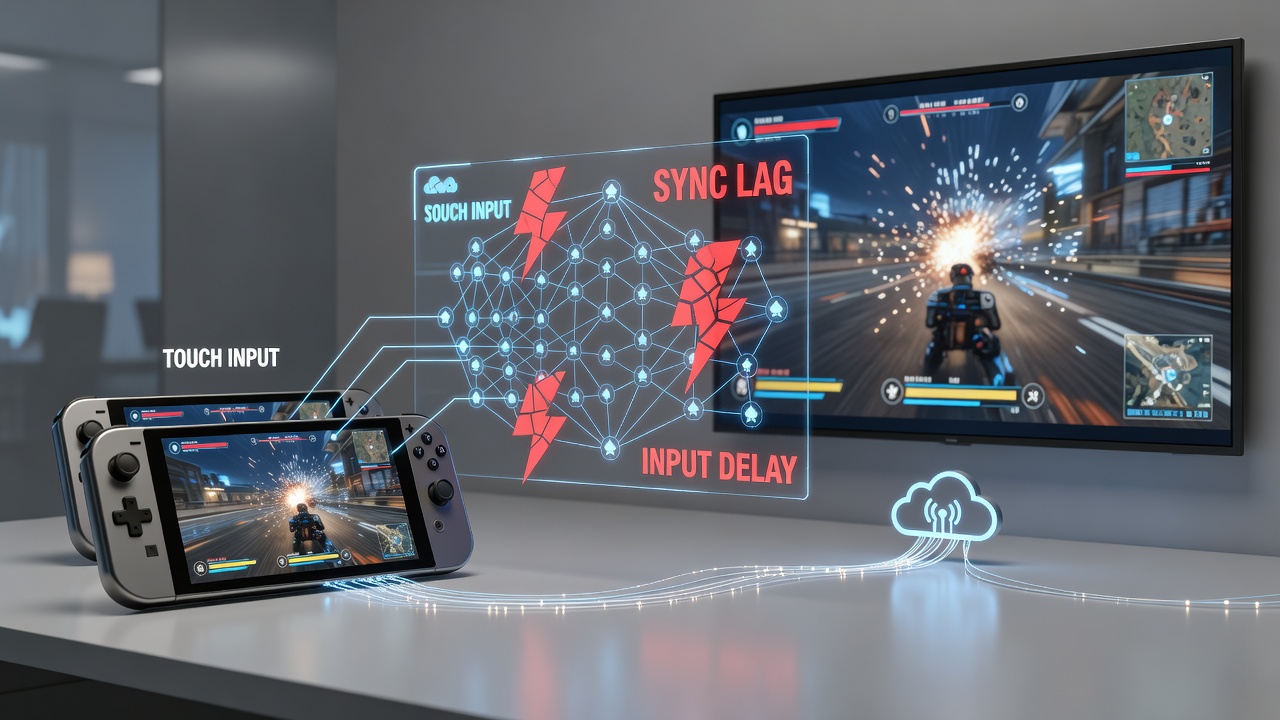
Synchronization Challenges Between Touch Input Devices and Cloud-Based Streaming Services in Portable Gaming Setups
Portable gaming setups that rely on touch input devices and cloud-based streaming services face persistent synchronization hurdles, where the timing between user commands and visual feedback often deviates due to network variability and processing delays. These setups typically involve smartphones or tablets connecting to remote servers that render game graphics and stream them back as video, while touch gestures serve as the primary control mechanism. Data from industry analyses shows that latency spikes above 50 milliseconds frequently disrupt gameplay in fast-paced titles, leading to noticeable mismatches between finger movements and on-screen responses. Technical infrastructure plays a central role in these issues. Cloud services compress video streams to manage bandwidth, yet this process introduces encoding delays that compound with transmission times across cellular or Wi-Fi networks. Touch input devices register gestures at the hardware level before transmitting them to the cloud, creating an additional layer where packet loss or jitter can desynchronize the entire loop. Researchers at various institutions have documented cases where users experience input lag exceeding 100 milliseconds under congested network conditions, particularly in regions with variable 5G coverage.Core Factors Contributing to Input-Stream Misalignment
Network conditions represent one primary variable, as fluctuating signal strength alters the round-trip time for data packets traveling between the portable device and remote servers. Studies indicate that packet loss rates above 1 percent correlate with increased desynchronization events, where touch commands arrive after the corresponding game state has already advanced on the server side. Device hardware adds further complexity, since touch sensors on different models vary in polling rates and sensitivity, affecting how quickly gestures convert into transmittable signals.
Software protocols used by streaming platforms also influence outcomes. Protocols optimized for video delivery sometimes prioritize frame rate over input responsiveness, resulting in buffered sequences that lag behind real-time touch events. In June 2026, ongoing expansions of edge computing nodes in urban areas have begun to reduce average latencies by routing streams through nearby facilities, though rural deployments continue to show higher variance according to connectivity reports from multiple regions.
Observed Patterns in Portable Configurations
Analyses of user sessions across platforms reveal recurring patterns where synchronization degrades during high-motion sequences. Touch-based aiming or rapid tapping in action games amplifies these effects because each input requires immediate server acknowledgment to maintain visual consistency. Observers note that hybrid setups incorporating external controllers alongside touch elements sometimes mitigate issues through wired connections, yet pure touch interfaces remain prevalent due to their integration in portable hardware.
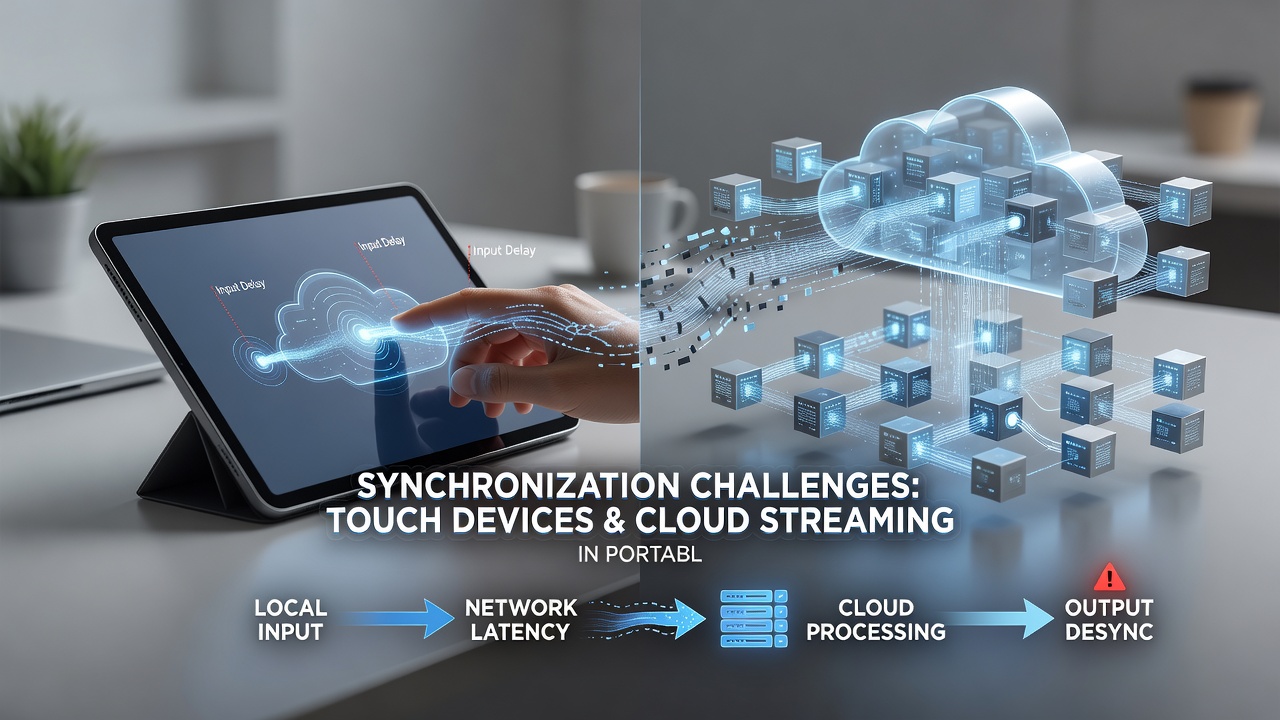
Geographic differences emerge in performance metrics, with data from European regulatory assessments highlighting lower average latencies in fiber-dense zones compared to areas reliant on satellite links. A University of Toronto study on mobile cloud systems found that adaptive bitrate adjustments help stabilize streams during minor fluctuations but fail to fully compensate when touch polling intervals exceed network round-trip times. These findings align with broader observations from industry groups tracking portable gaming adoption rates.
Approaches to Addressing Synchronization Gaps
Developers have implemented predictive algorithms that anticipate touch trajectories and pre-render responses on the server, reducing perceived lag in some scenarios. Such methods draw on historical input data to forecast player actions, though accuracy drops in unpredictable gameplay moments. Hardware advancements in touch sampling frequencies, now reaching 240Hz on select devices, provide finer temporal resolution that aids synchronization when paired with optimized streaming codecs.
Service providers continue testing hybrid rendering techniques that offload certain calculations to the local device while maintaining core cloud processing. Reports from the Entertainment Software Association detail pilot programs where localized input handling shortened response times by up to 30 milliseconds in controlled tests. Australian research initiatives have explored similar integrations with regional data centers to account for continental network topologies.
Future Developments and Monitoring Efforts
Standardization bodies work toward unified protocols that embed touch metadata directly into video streams, enabling servers to correlate inputs with frames more precisely. This approach builds on existing error-correction mechanisms but requires coordinated updates across device manufacturers and service operators. Monitoring tools embedded in gaming apps now track synchronization metrics in real time, allowing users to adjust settings based on live network feedback.
Continued expansion of low-latency network technologies promises incremental improvements, yet complete resolution depends on addressing variables like device diversity and content-specific demands. Data collection efforts by academic and industry partners supply the metrics needed to refine these systems over successive iterations.
Conclusion
Synchronization challenges in these portable gaming environments stem from interconnected elements of hardware, software, and infrastructure that collectively determine input-to-visual timing. Ongoing technical refinements, informed by performance data gathered across different locales, shape incremental progress in aligning touch responses with cloud-streamed content. As network capabilities evolve through 2026 and beyond, the interplay between these components continues to define operational boundaries for portable setups.