The Quiet Influence of Regional Folklore on Monster Design in Global Action RPG Franchises
Drew Bauer · May 24, 2026
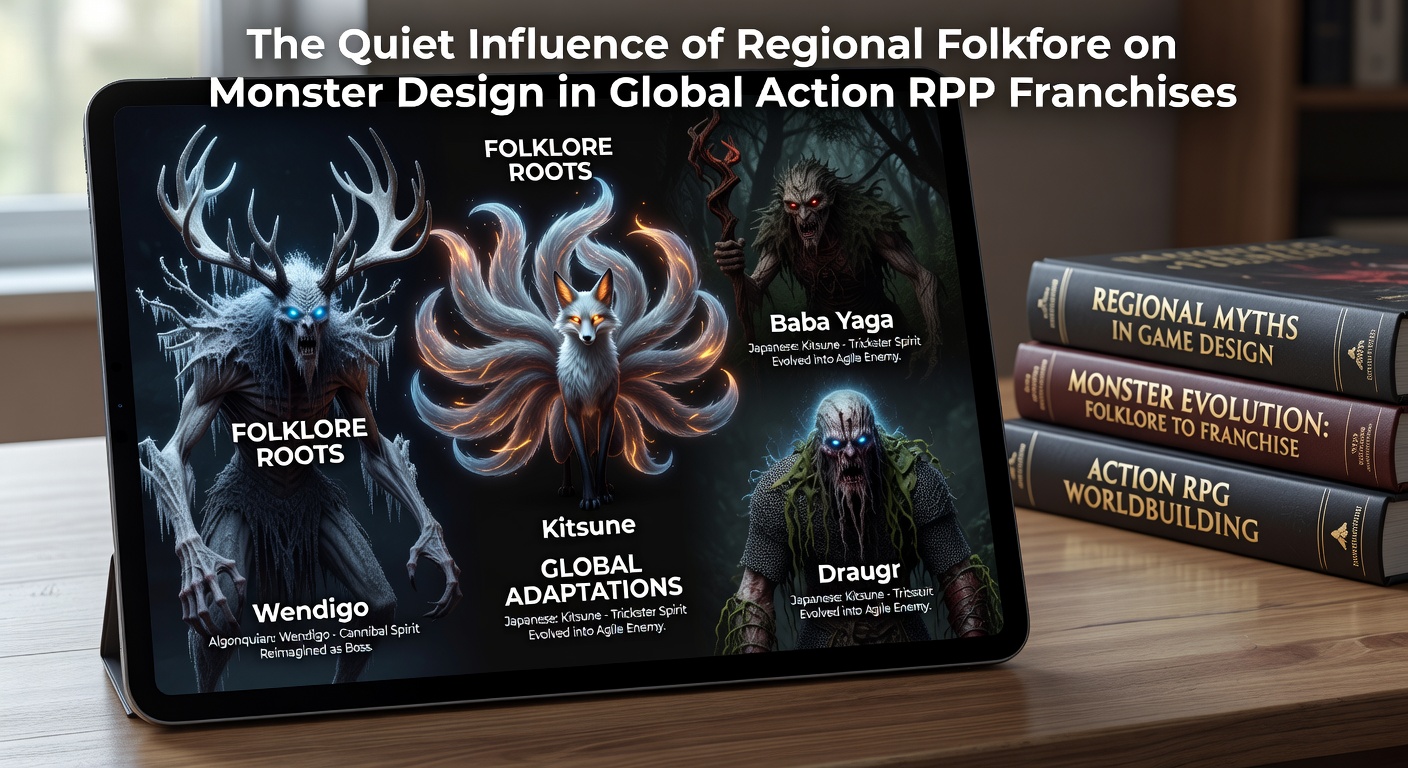
The Quiet Influence of Regional Folklore on Monster Design in Global Action RPG Franchises
Action RPG franchises draw monster designs from folklore traditions across multiple continents, and developers integrate these elements during early concept phases before adapting them for broad audiences. Teams at major studios review historical texts and local legends to create creatures that fit established gameplay loops while preserving core visual traits from source materials.
Japanese Yokai Traditions in Franchise Creature Catalogs
Studios based in Japan incorporate yokai from Edo-period collections into monster rosters for titles that reach international markets, and these creatures often appear with modified attack patterns that align with real-time combat systems. Researchers at the University of Tokyo documented how specific features such as multiple limbs or floating heads transfer directly from folklore illustrations into 3D models used in ongoing series. Data from industry reports compiled in early 2026 show consistent use of these motifs across several long-running franchises that launched expansions during that period.
Developers adjust scale and coloration to match engine lighting but retain symbolic accessories like paper talismans or straw raincoats that signal the original cultural reference. Players encounter these figures in zones designed to evoke rural Japanese settings before the monsters migrate into more abstract environments in later acts.
European Demonology and Its Adaptations
Western development teams reference medieval bestiaries and grimoires when populating demon and undead categories, and they map abilities such as possession or plague spread onto boss mechanics that require coordinated party responses. Figures from Slavic and Scandinavian sources appear alongside Christian iconography, creating layered designs that reward players who recognize the combined motifs. A 2025 report issued by the European Games Developer Federation noted that such hybrid creatures feature in multiple major releases scheduled for spring 2026 updates.
Cross-Regional Blending Techniques
Global franchises combine elements from separate traditions within single enemy families, and artists composite horns from one culture with scales from another to produce variants that feel novel yet grounded. This approach appears in loot-driven progression systems where players collect parts traceable to distinct folklore origins. Observers note that these blended designs maintain consistent silhouette readability across different camera angles common in action combat.
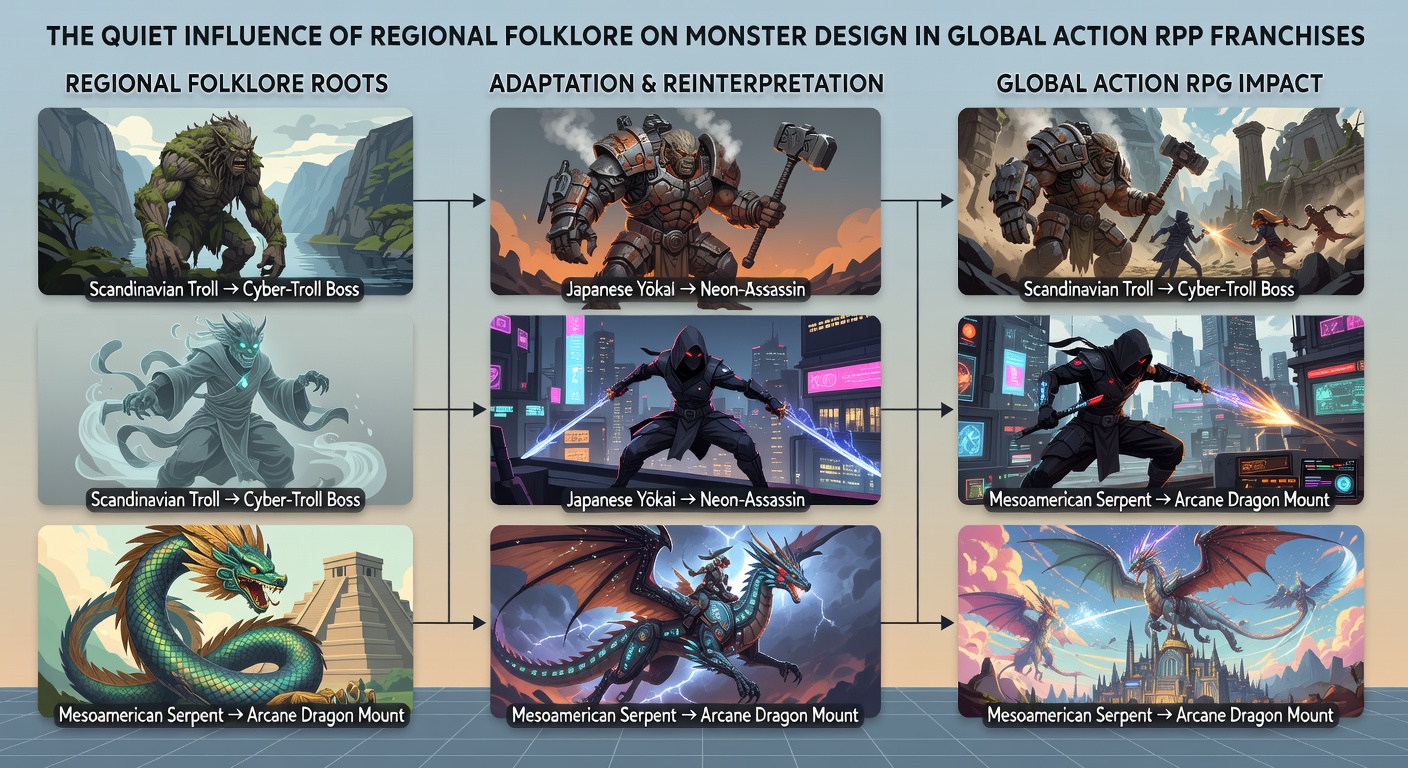
Additional influences surface from Australian Aboriginal and African oral traditions in select expansion packs, where studios collaborate with cultural consultants to avoid direct appropriation while capturing distinctive movement styles and environmental interactions. These additions expand enemy behavior trees without altering core difficulty curves established in base releases.
Technical Implementation Across Platforms
Engine pipelines now include modular asset libraries tagged by folklore origin, which allows rapid iteration when regional marketing teams request culturally resonant variants for localized promotions. Performance metrics released by hardware manufacturers in May 2026 indicated stable frame rates for these detailed models on both console and PC configurations, supporting larger draw distances in open-zone encounters.
Sound design teams layer vocalizations derived from traditional instruments or chants onto creature audio profiles, and these layers activate during specific attack phases that echo narrative beats from the source legends. The resulting audio cues help players identify threat types without relying solely on visual tells.
Conclusion
Regional folklore continues to supply source material for monster design in action RPG franchises through documented consultation processes and asset management systems that preserve identifiable traits across updates. Industry tracking data from multiple regions confirm ongoing integration of these elements into 2026 content cycles, supporting both creative continuity and mechanical variety within established gameplay frameworks.