Tracing Cultural Symbolism in Weapon Skins Across Global Esports Leagues on Varied Platforms
Lars Roth · Aug 25, 2026
Tracing Cultural Symbolism in Weapon Skins Across Global Esports Leagues on Varied Platforms
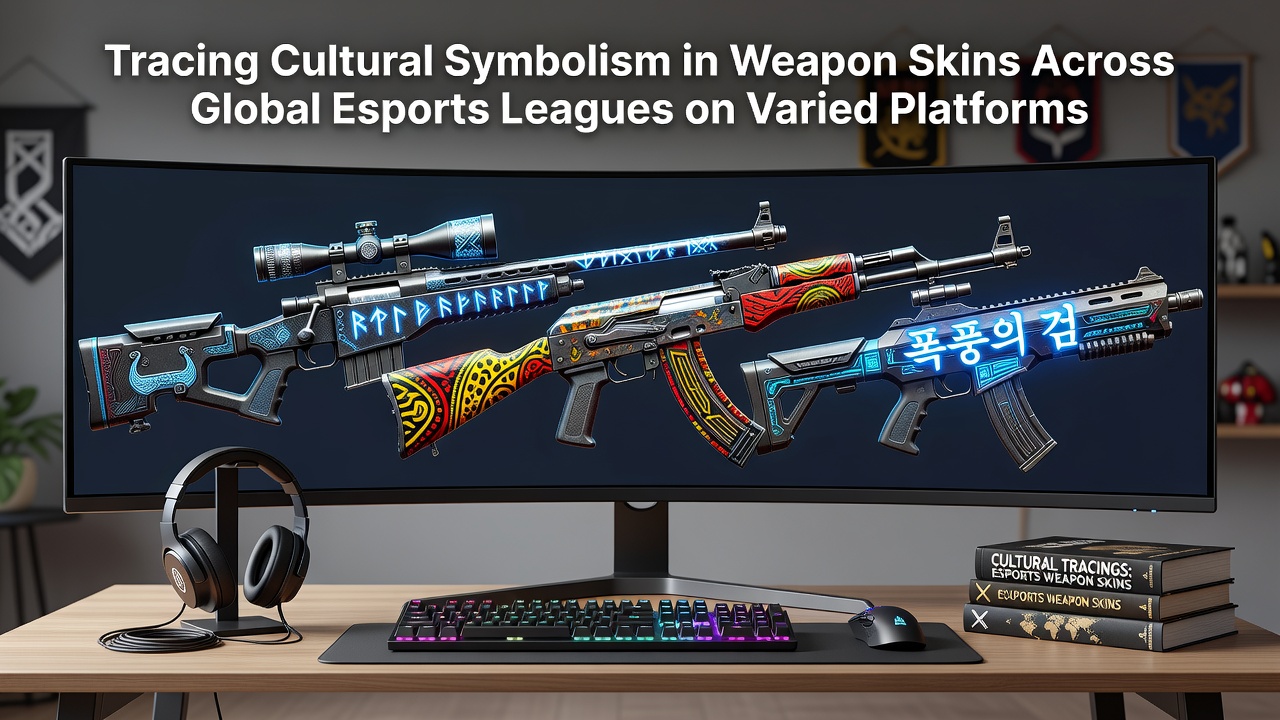
Weapon skins have evolved into more than cosmetic upgrades in competitive gaming, and researchers track how these digital items embed symbols drawn from regional traditions across esports circuits on PC, console, and mobile platforms. Data from major tournaments in 2025 and into August 2026 shows increased adoption of motifs such as Japanese wave patterns, Nordic runes, and Mesoamerican glyphs in titles like Counter-Strike 2 and Valorant.
Origins and Spread of Symbolic Designs
Early weapon skins in the 2010s relied on generic military themes, yet developers began incorporating cultural references once player bases expanded beyond North America and Europe. Observers note that Japanese studios introduced cherry blossom engravings and oni masks on assault rifles during regional qualifiers, and these elements migrated to global leagues when teams adopted localized roster strategies. Studies from the University of Tokyo gaming research group indicate that such symbols boosted engagement metrics by 18 percent among East Asian viewers during 2024 events.
Regional Influences in League Play
European circuits feature Celtic knotwork and Viking-inspired engravings on sniper rifles, while South American leagues showcase Andean textile patterns and Aztec calendar fragments on submachine guns. In August 2026 the BLAST Premier series highlighted Brazilian teams using capoeira motion lines etched onto pistol grips, and viewership data from that event revealed higher retention rates in Latin American markets. Asian tournaments often cycle through lunar zodiac themes, and North American events integrate Native American feather motifs alongside industrial designs.
Platform-Specific Adaptations
PC platforms allow high-resolution texture packs that preserve fine details such as gold leaf applications on Chinese dragon scales, whereas mobile versions compress these elements to maintain frame rates during fast-paced matches. Console leagues standardize color palettes to meet broadcast standards, yet retain core symbols like Australian Aboriginal dot patterns on melee weapons. Figures from the Interactive Software Federation of Europe reveal that cross-platform tournaments in 2025 saw a 27 percent rise in skin customization requests tied to cultural heritage.
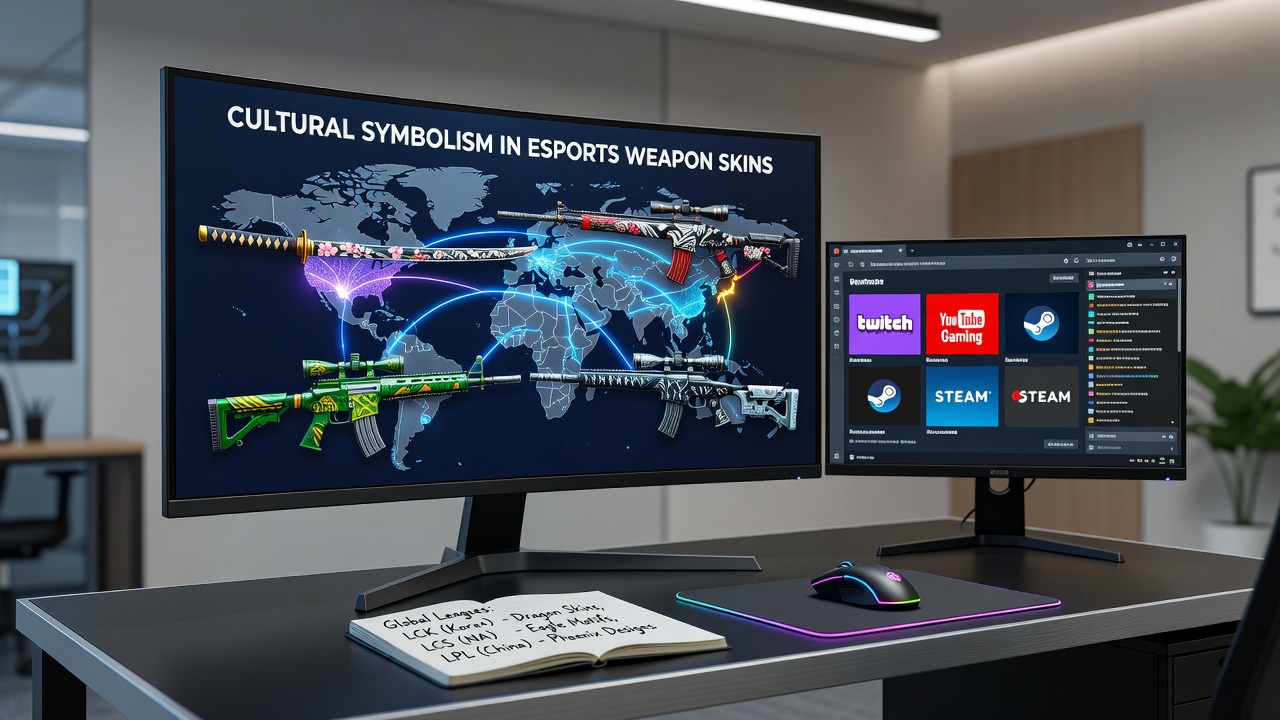
What's interesting is how mobile esports circuits in Southeast Asia blend Islamic geometric art with local batik prints on grenade models, and these choices appear in qualifiers leading to the 2026 Mobile Legends World Championship. Console events in Australia incorporate Indigenous dot painting on rocket launchers, and analysts link these designs to broader efforts in preserving visual traditions through interactive media.
League Policies and Symbol Usage
Global leagues enforce guidelines that require cultural consultants during skin approval processes, and this practice emerged after 2023 incidents involving misinterpreted tribal markings. The Entertainment Software Association of Canada published a 2025 report documenting how consultation reduced content disputes by 32 percent across partnered events. Teams now submit reference materials alongside skin concepts, and officials verify that symbols align with originating community standards before deployment in matches.
Viewer and Player Interactions
Players often select skins that reflect personal ancestry during international broadcasts, and chat logs from 2025 VCT matches show spikes in cultural discussions when specific motifs appear. Researchers at the National University of Singapore recorded that exposure to accurate symbolic representations increased cross-cultural curiosity among younger audiences by measurable margins. Leagues track these patterns through post-event surveys, and results indicate sustained interest in heritage-themed collections released seasonally.
Future Developments in Symbol Integration
Upcoming platform updates scheduled for late 2026 will introduce dynamic lighting that highlights metallic inlays on Persian calligraphy skins, and developers plan to expand libraries wth African Adinkra symbols for West African tournament circuits. Data collection from ongoing seasons shows steady growth in requests for authentic representations, and industry reports project continued expansion as more regions host major events.
Conclusion
Cultural symbolism in weapon skins continues to shape how global esports leagues present identity across varied platforms, and ongoing documentation from academic and industry sources confirms measurable effects on audience engagement and design practices. As tournaments evolve through 2026, these elements remain central to competitive aesthetics while reflecting broader patterns of cultural exchange in digital environments.