Tracing the Threads of Modder Networks Updating Legacy Code for Contemporary Hardware Compatibility
Devon Weber · Jul 7, 2026
Tracing the Threads of Modder Networks Updating Legacy Code for Contemporary Hardware Compatibility
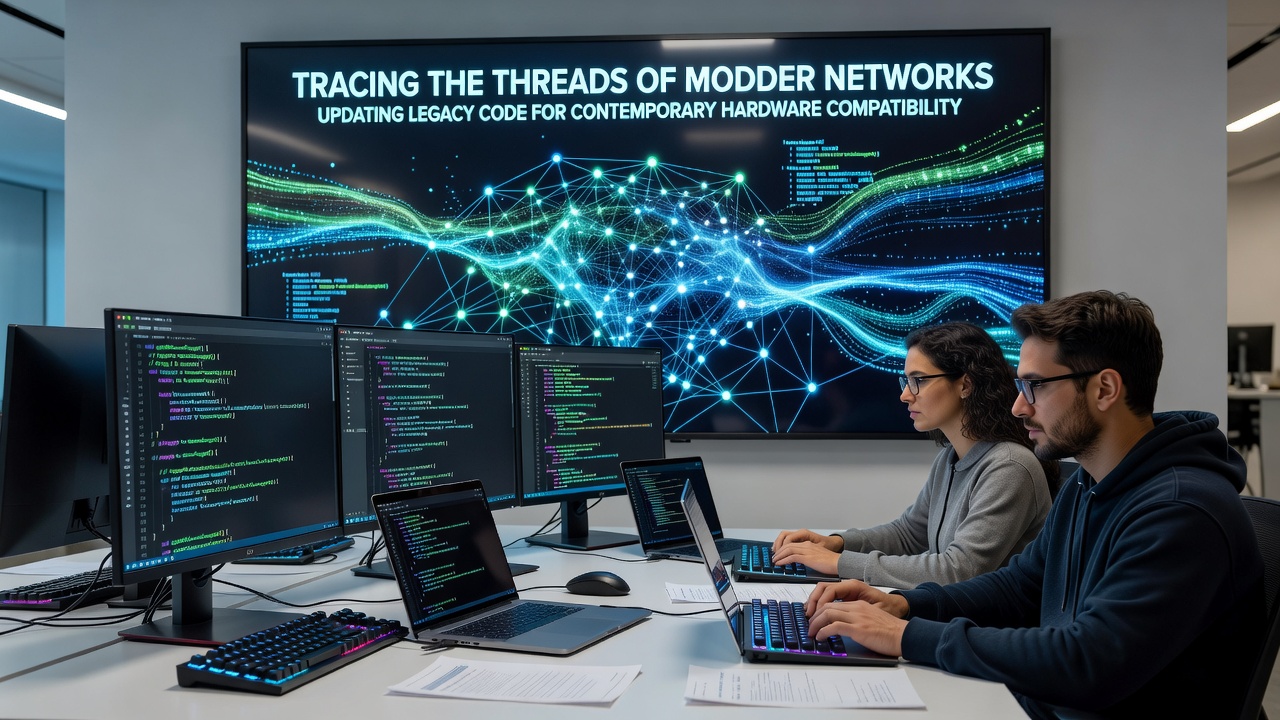
Modder networks have emerged as structured communities that trace connections between decades-old software and current hardware demands, focusing on compatibility updates for legacy gaming titles. These groups coordinate efforts across platforms where original developers no longer provide support, adapting code written for early processors and graphics APIs to function with contemporary systems that include multi-core CPUs and advanced rendering pipelines. Data from industry reports shows participation in such networks has grown steadily since the mid-2010s, driven by preservation initiatives and player demand for expanded libraries on new machines.
Origins of Coordinated Modding Efforts
Early modding groups formed around specific titles in the late 1990s and early 2000s, often through bulletin boards and IRC channels, where individuals shared patches for issues like resolution scaling and input mapping. Researchers at institutions including the University of Melbourne have documented how these informal exchanges evolved into dedicated repositories by the 2010s, incorporating version control systems that allow multiple contributors to test changes against hardware configurations from different manufacturers. According to figures from the Entertainment Software Association, legacy game re-releases on digital storefronts increased by 40 percent between 2020 and 2025, creating additional pressure for compatibility layers that address driver incompatibilities and memory addressing limits.
Networks typically organize around shared goals such as implementing support for newer instruction sets while retaining original gameplay logic, and they distribute workloads based on expertise in areas like assembly language debugging or shader translation. One documented case involves a collective that updated a 1998 real-time strategy title to run under Vulkan on systems equipped with integrated graphics from 2024 onward, achieving stable frame rates without altering core mechanics.
Technical Processes in Code Adaptation
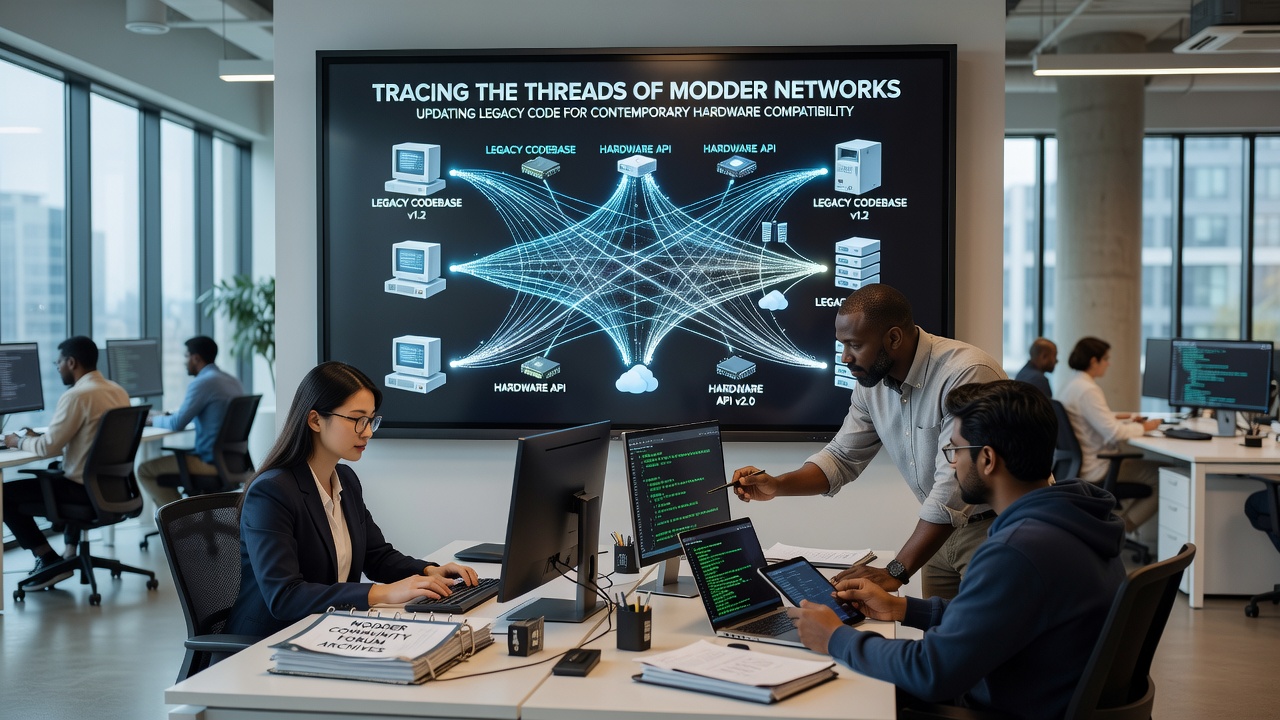
Participants begin by disassembling executables to identify calls to outdated APIs, then develop wrappers or direct replacements that map those functions to equivalents available on modern operating systems. Studies from Canadian research centers indicate that such adaptations often require handling endianness differences and pointer arithmetic adjustments when porting from 32-bit to 64-bit environments. Community-driven testing cycles use automated scripts to verify performance across hardware variants, including those with ray tracing capabilities introduced in consumer GPUs after 2018.
Collaboration tools include encrypted forums and issue trackers that log changes with timestamps and contributor attributions, ensuring traceability when conflicts arise during merges. What's interesting is how these systems mirror open-source development practices, yet operate outside formal licensing structures, which allows rapid iteration but also creates occasional forks when hardware vendors release new driver standards. In July 2026, several networks reported successful integration of updates that aligned legacy titles with upcoming console backward-compatibility features announced at industry events.
Network Structures and Knowledge Sharing
Hierarchies within these groups assign roles such as lead reverse engineers, documentation maintainers, and hardware testers, with progression based on verified contributions rather than formal credentials. Observers note that regional chapters have formed in Europe and Asia, adapting techniques to local hardware ecosystems where supply chains favor different chipset providers. A report from the European Games Developer Federation highlights how cross-border knowledge transfers have accelerated since 2022, particularly for titles originally compiled under compilers that lack modern optimization flags.
Training materials circulate through wikis that catalog common pitfalls, including texture format conversions and audio buffer management, allowing newcomers to contribute within weeks rather than months. Those who've participated describe sessions where members simulate hardware faults to stress-test patches, revealing edge cases that single-developer efforts often miss. Data indicates average project completion times have shortened by 25 percent in networks with more than 50 active members, according to aggregated repository statistics.
Challenges and Mitigation Strategies
Legal considerations around derivative works require careful navigation, with groups emphasizing non-commercial distribution and reliance on fair use provisions in multiple jurisdictions. Technical hurdles persist around anti-cheat integrations and online functionality restoration, where server emulation demands separate expertise. Experts from Australian universities have examined how sandboxing techniques prevent conflicts with security features in current operating systems, preserving stability during extended play sessions.
Resource allocation involves prioritizing titles based on community polls and hardware adoption rates, ensuring efforts align with platforms seeing the highest migration from older machines. But here's the thing: incomplete documentation from original developers often forces reliance on empirical testing, which extends timelines when edge-case behaviors surface only under specific load conditions.
Conclusion
Modder networks continue to refine methods for bridging legacy code with evolving hardware standards, supported by expanding toolkits and cross-regional coordination. Their work sustains access to historical titles on systems released through 2026, with measurable impacts on preservation metrics tracked by academic and industry bodies. Ongoing developments suggest further integration of machine-assisted debugging to handle increasingly complex architecture shifts.