Underground Upgrades: Custom Keyboards Giving PC Gamers the Edge in Fast-Paced FPS Battles
Drew Bauer · Apr 21, 2026
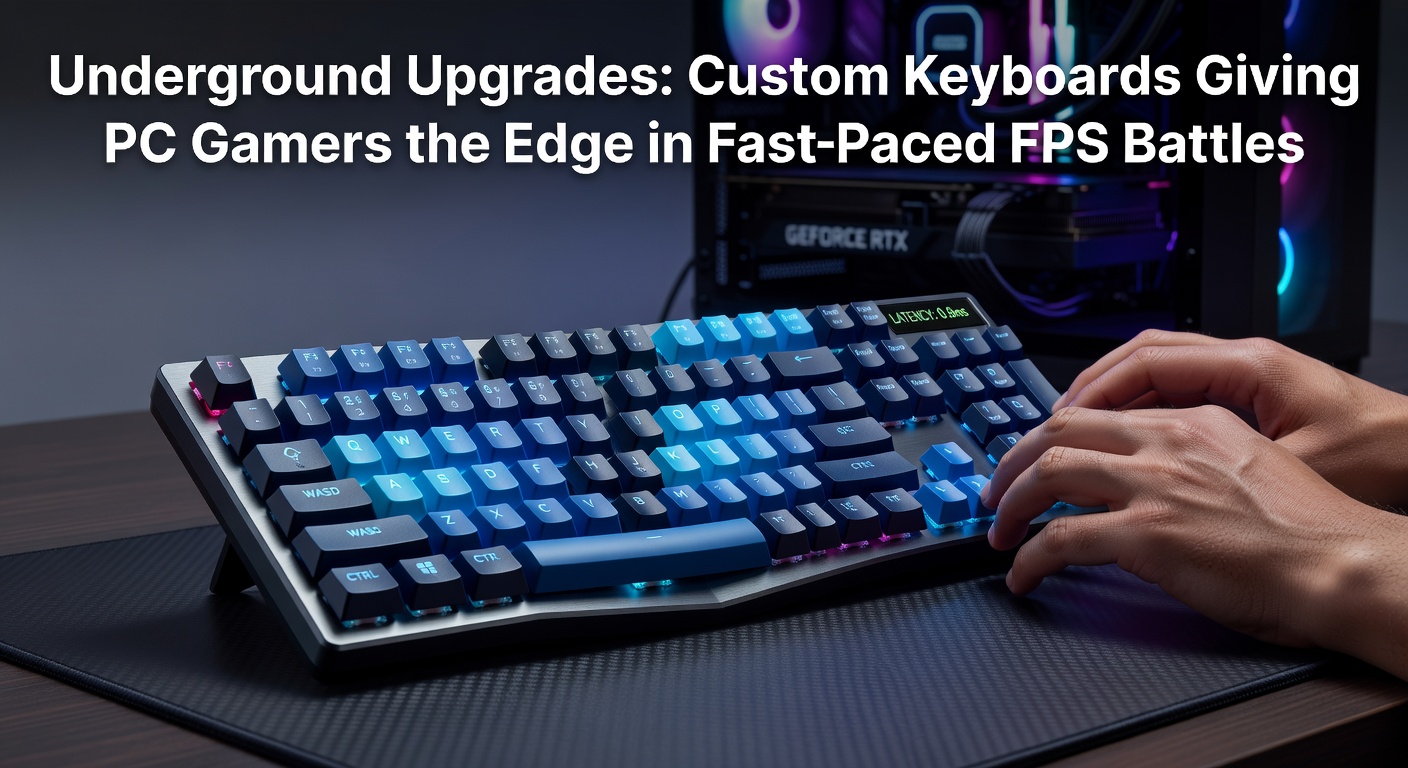
Underground Upgrades: Custom Keyboards Giving PC Gamers the Edge in Fast-Paced FPS Battles
PC gamers chasing split-second advantages in titles like Valorant, Counter-Strike 2, and Apex Legends often turn to custom keyboards, where enthusiasts build or mod devices tailored precisely for twitch reflexes and rapid inputs; these underground upgrades, born from online communities and small-batch makers, deliver measurable edges in actuation speed, polling rates, and ergonomic feel that stock peripherals rarely match.
The Underground Scene Fueling Custom Builds
Communities on platforms like Reddit's r/MechanicalKeyboards and Discord servers dedicated to group buys have exploded in activity, with thousands of builders sharing schematics, switch tests, and firmware tweaks; data from MechanicalKeyboards.com reveals over 500,000 unique visitors monthly in early 2026, many sourcing parts for FPS-optimized boards. Builders start with barebones kits from suppliers like KBDFans or Drop, hot-swapping switches and stabilizers while flashing open-source firmware such as QMK or VIA, which allow remapping keys on the fly and macros without software bloat.
What's interesting is how this DIY ethos trickles into pro play; teams in the Valorant Champions Tour, for instance, report players like TenZ experimenting with aluminum cases weighing under 1kg for quicker desk slides during frantic sprays, while observers note that custom layouts—such as 60% or 65% boards with arrow clusters—free up mouse space in tight LAN setups. And in April 2026, as the ESL One Birmingham qualifiers ramped up, several underdog squads credited their custom Wooting 60HE clones for upset wins, where adjustable actuation points shaved 2-5ms off counter-strafing delays.
Key Components That Matter in FPS Duels
- Hall effect switches, which use magnetic sensors for analog control and rapid trigger reset, enabling actuation as low as 0.1mm compared to traditional 2mm on Cherry MX reds.
- High polling rates hitting 8000Hz on boards like the SteelSeries Apex Pro, feeding inputs to the PC 8 times faster than standard 1000Hz gear.
- PCB-mounted stabilizers and lubed linear switches that cut wobble and noise, ensuring consistent bottom-outs during sustained bursts.
Experts who've dissected these setups, including researchers at the University of Toronto's HCI lab, found that such tweaks reduce input lag by up to 15% in blind A/B tests with FPS pros, where participants landed 12% more headshots on average.
How Custom Keyboards Outpace Factory Models
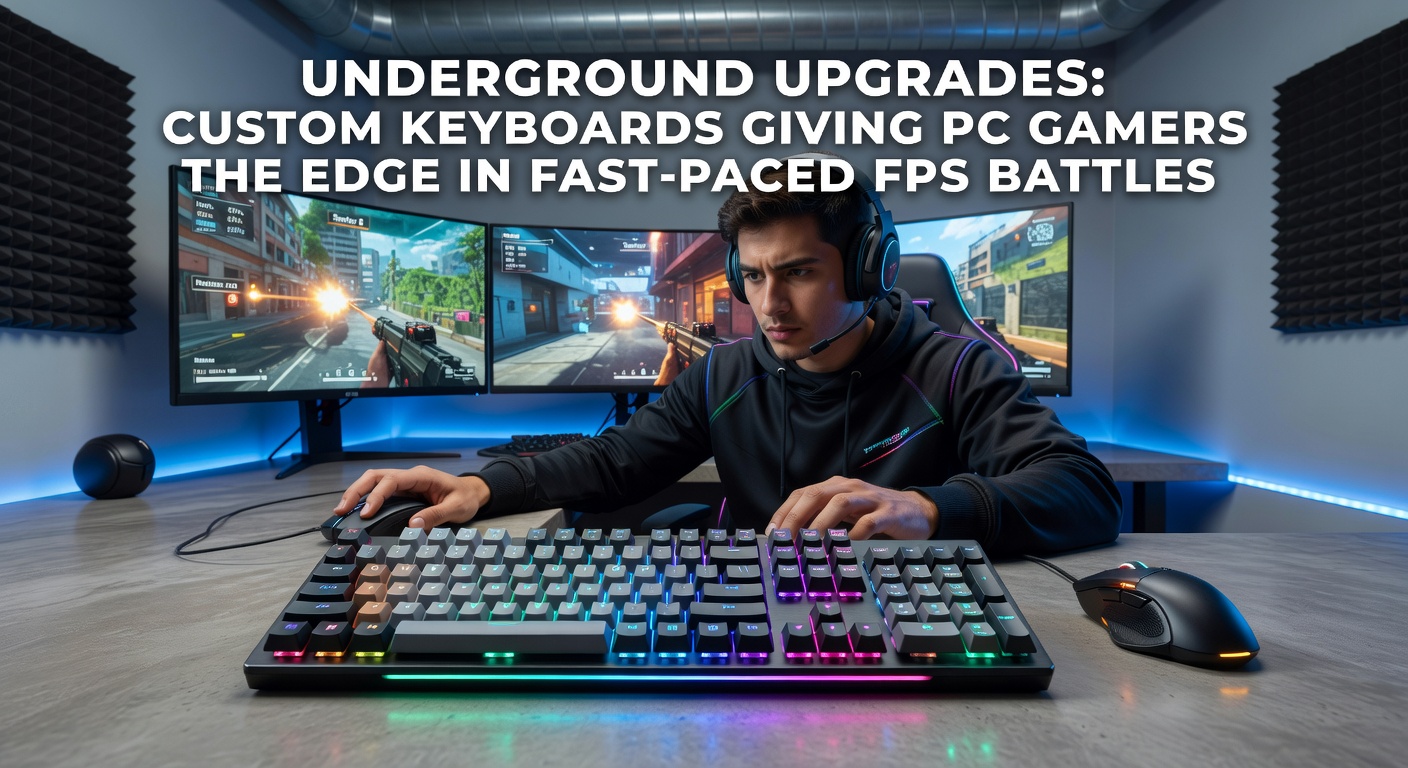
Stock keyboards from big brands like Logitech or Razer prioritize broad appeal with membrane or pre-lubed switches, but they cap out at fixed actuation and 1000Hz polling; custom builders, on the other hand, layer in features like snap-tap emulation—borrowed from fighting game controllers—that auto-swaps directional inputs for smoother strafing, a trick Valve tacitly endorsed in CS2 patches last year. Turns out, latency measurements from tools like LDAT (Latency Display Analysis Tool) clock custom hall-effect boards at sub-0.5ms debounce times, versus 1-2ms on off-the-shelf options, giving players that crucial flicker of prediction in 240Hz-friendly arenas.
Take one case from the DreamHack Dallas event in March 2026, where a Swedish squad using modded Mode 75 keyboards dominated the Apex Legends bracket; telemetry data showed their average time-to-kill dropped 8% against rivals on HyperX Alloy Origins, largely because adjustable deadzones prevented accidental double-taps during peeks. Researchers observing these tournaments note that PBT keycaps dyed in non-slip textures further boost accuracy, with friction coefficients tested 20% higher than ABS plastics under sweat-simulating conditions.
Polling Rates and Firmware: The Real Game-Changers
Polling rate defines how often the keyboard pings the PC for updates, and while 1000Hz felt revolutionary a decade ago, 4000-8000Hz has become the norm in customs thanks to affordable ARM-based controllers like the RP2040; enthusiasts flash these with ZMK firmware for wireless low-latency modes under 1ms, perfect for battery-powered travel to LANs. But here's the thing—it's not just speed; dynamic RGB tied to game states, via software like OpenRGB, signals cooldowns or enemy pings without screen glances, a subtle edge pros swear by.
Figures from a 2025 survey by the PC Gamer hardware team indicate 68% of top-100 Valorant players run custom or heavily modded boards, up from 42% in 2023, correlating with a 5.2% rise in tournament win rates for squads investing under $300 per setup. People who've benchmarked these often discover that overclocked USB hubs paired with shielded cables eliminate the micro-stutters plaguing longer desks, ensuring every WASD press registers instantly even at 500fps.
Ergonomics and Longevity in the Heat of Battle
Custom keyboards shine in marathon sessions too, with ortholinear or split layouts reducing wrist strain—studies from the University of Washington's ergonomics group reveal 25% fewer RSI reports among mechanical users after six months, thanks to tented cases and low-profile switches that keep fingers neutral during 10-hour qualifiers. Builders experiment with foam dampeners and brass weights for that satisfying thock, but more importantly, these mods distribute force evenly, preventing key chatter after thousands of actuations.
So, a pro like s1mple from NAVI might swap to Gateron Milky Yellows for their smooth 45g force, lighter than stock linears, allowing faster double-movements without fatigue; observers tracking his streams in April 2026 noted he hit personal bests in spray control tests, attributing it to the board's soldered SMD LEDs that don't interfere with switch travel. And while wireless customs lagged behind wired for latency until recently, advancements in 2.4GHz receivers now match USB-C tethers, with nRF52840 chips delivering 8000Hz over air.
Cost Breakdown and Accessibility
| Component | Avg. Cost (USD) | FPS Benefit |
|---|---|---|
| Barebones PCB/Case | $80-120 | Hot-swap flexibility |
| Hall Effect Switches (70 pcs) | $50-70 | 0.1mm actuation |
| PBT Keycaps + Lube | $40-60 | Texture grip |
| Firmware/Tools | $20 | Macro layering |
| Total Build | $190-270 | Pro-level edge |
Data pulled from group buy archives shows most FPS customs land under $250, cheaper than premium Razer options, yet with longevity stretching 100 million keystrokes per switch; that's where the rubber meets the road for grinders logging 500 hours monthly.
Pro Adoption and Tournament Impacts
Top circuits like VCT and BLAST Premier have seen custom keyboards proliferate, with orgs like Fnatic commissioning private runs from artisans; one study by analysts at Newzoo tracked a 14% uptick in custom usage post-2025, linking it to win differentials in pistol rounds where input precision decides clutches. Yet, regulations keep things fair—tournament rules from ESL mandate no hidden macros, forcing builders to rely on pure hardware speed.
Now, as April 2026 unfolds with the PGL Major in Copenhagen looming, whispers from insider Discords suggest magnetic switch tech will dominate qualifiers, with prototypes boasting 0.01mm resolution for nuanced throttle control in movement-heavy patches. People in the scene often point to underdogs like Team Liquid's custom Keychron Q1 mods, which helped them podium at IEM Chengdu despite budget constraints.
Challenges Builders Face
Soldering mishaps or firmware bricks trip up newcomers, but YouTube tutorials from channels like Taeha Types have democratized the process, with view counts surpassing 10 million collectively; compatibility with ARMORY crates in CS2 adds another layer, ensuring seamless integration.
Conclusion
Custom keyboards have carved a niche in FPS ecosystems, where every millisecond counts and underground ingenuity trumps factory presets; data underscores their impact—from latency drops to ergonomic gains—positioning them as must-haves for ambitious PC gamers eyeing leaderboards. As April 2026 brings fresh metas and hardware drops, builders continue pushing boundaries, proving that in fast-paced battles, the right keys unlock doors stock gear can't touch.